

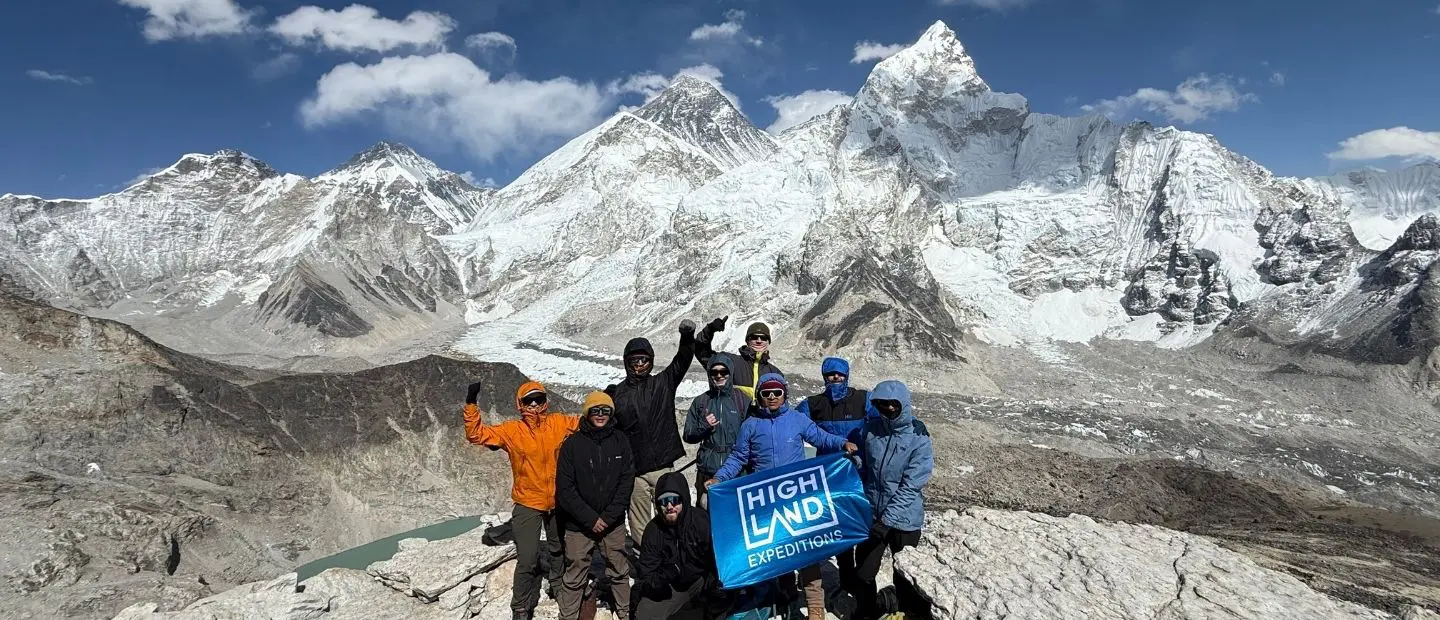
Everything people get wrong about difficulty, experience, and what it actually takes to reach Everest Base Camp, answered by a Nepal-based trekking team that runs this route every season.
Every year, thousands of people talk themselves out of the Everest Base Camp trek before they’ve even looked into what it involves. Usually, it isn’t the trek itself that stops them. It’s what they think the trek involves: a headline half remembered, a photo of a climber in an oxygen mask, a story from someone who’s never actually done it.
We’re Highland Expeditions, based in Kathmandu, and we run Everest Base Camp treks throughout the year. This is what we tell people who ask us the same nine questions, over and over, before they book.
Myth 1: You Need Technical Climbing Experience
The confusion: People hear “Everest” and picture ropes, ice axes, and oxygen masks.
The reality: Reaching Everest Base Camp is trekking, not mountaineering. It’s a different trip entirely from climbing the mountain itself.
- You walk on established trails using your legs, lungs, and a decent pair of boots
- No rope work, no ice axe, no technical climbing skill at any point on the standard route
- Climbing Mount Everest requires years of mountaineering experience and a completely different kind of expedition
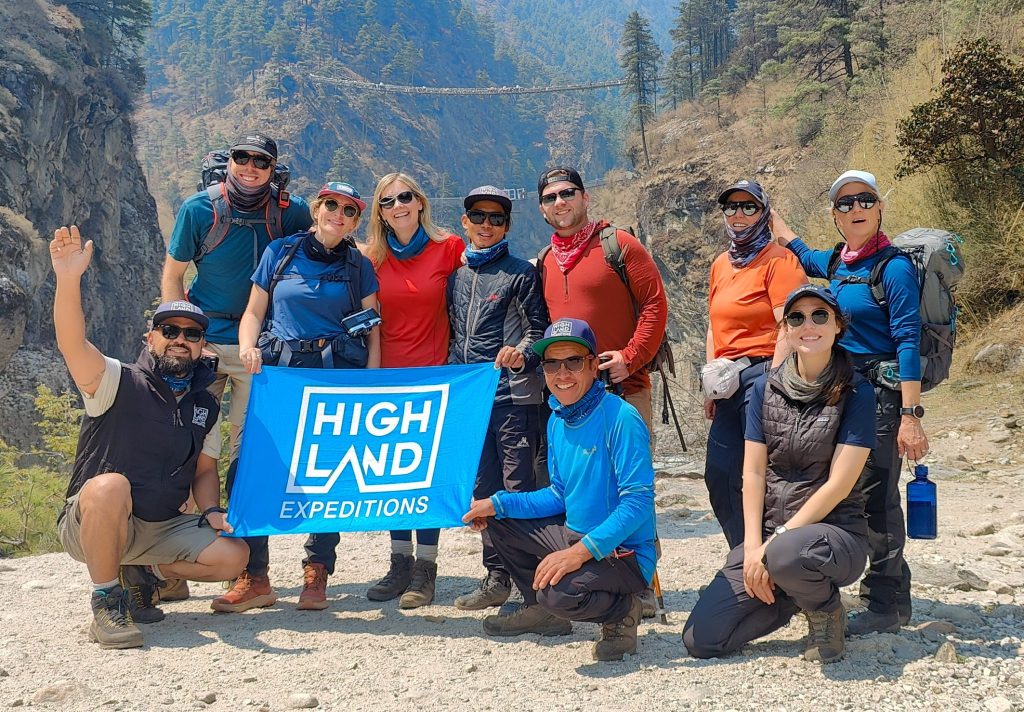
If someone tells us they’re worried about “climbing Everest” when what they mean is walking to base camp, that one mix-up is often the only thing standing between them and the trek.
Myth 2: You Have to Be an Elite Athlete
You don’t need to be a marathon runner to complete this trek. You need a reasonable fitness baseline and the ability to walk several hours a day on uneven terrain, sometimes for consecutive days.
What actually separates a good trip from a hard one isn’t raw athletic ability. It’s preparation and pacing:
- A moderately fit trekker who trains for a few months and walks at a sensible pace generally has an easier time
- A very fit trekker who ignores acclimatization and pushes too hard, too fast, often struggles more
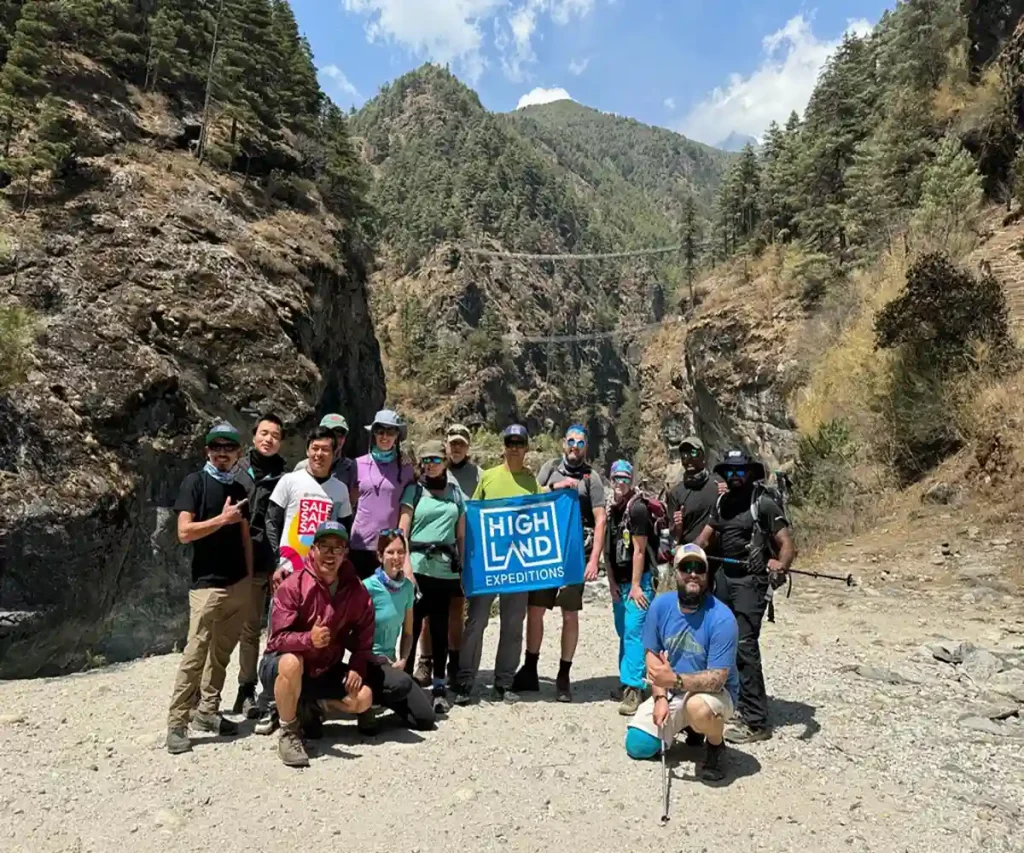
Most people who complete this trek are ordinary people who prepared for it, not elite athletes who happened to show up.
Myth 3: Altitude Sickness Is Random and Unavoidable
Altitude sickness isn’t bad luck. It’s primarily a function of ascent rate.
Go up too fast without giving your body time to adjust, and your risk increases substantially, regardless of age or fitness. Slow down and build in acclimatization days, and your risk drops considerably. That’s exactly why our itineraries include dedicated acclimatization days at Namche Bazaar and Dingboche rather than a straight push toward base camp. These aren’t rest days for sightseeing. They give the body real time to adapt before going higher, and skipping them is one of the most common, most preventable causes of altitude-related problems on this route.
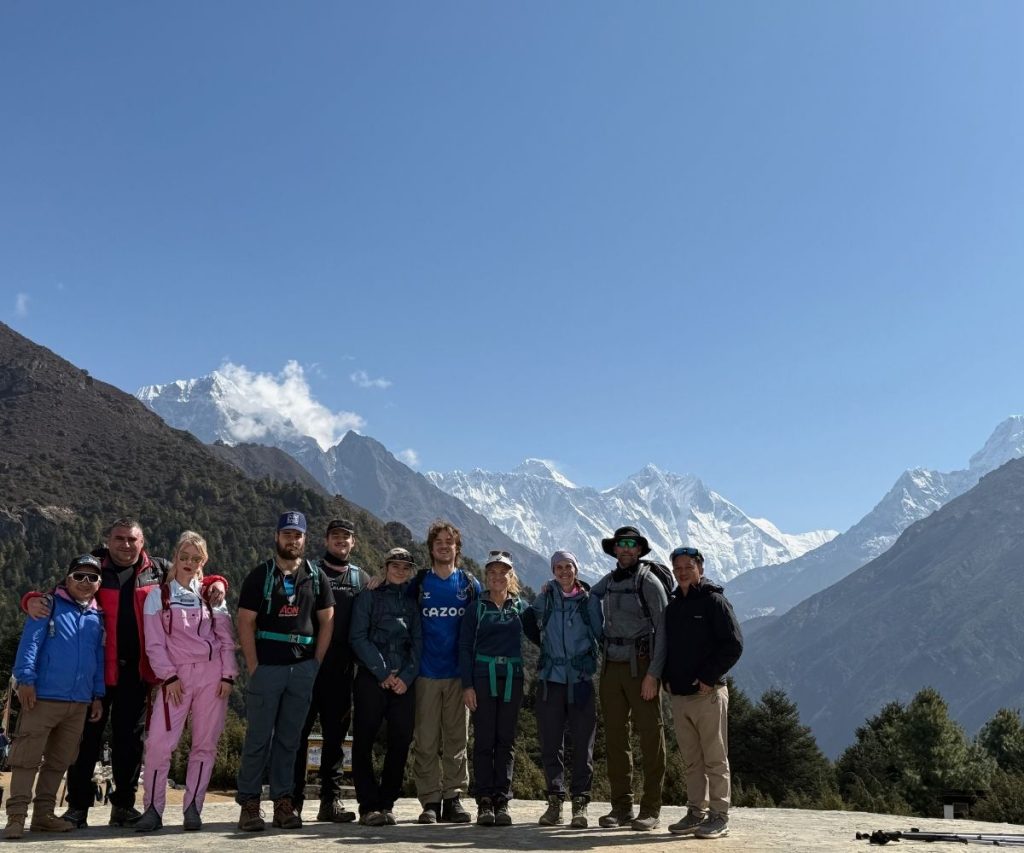
Fitness doesn’t override physiology here. A very fit trekker can still develop altitude sickness by ascending too quickly, while a less fit trekker who paces sensibly often does fine. Above 3,000 meters, pacing matters more than fitness level.
Myth 4: You’ll Be Roughing It the Entire Way
People sometimes picture the trek as camping in tents every night with no access to food, warmth, or basic comfort.
In reality, the trail is dotted with teahouses and lodges that have operated for decades, offering:
- A bed and blankets every night of the trek
- Hot meals, typically a mix of local Nepali food like dal bhat alongside international options such as pasta and fried rice
- Basic electricity for charging devices, and WiFi at most lodges, usually for a small fee that rises with altitude

You won’t find hotel-level luxury at 4,000 meters, but you won’t be sleeping on the ground in the cold either.
Myth 5: You Have to Carry Everything Yourself
Some people picture hauling a 20-kilogram backpack up a mountain for two weeks, and decide the trek isn’t for them before looking any further.
On a guided trek, porters carry the bulk of your gear. You typically carry only a daypack with what you need during the day: water, a layer of clothing, snacks, your camera. This single misconception talks a surprising number of otherwise capable people out of a trek they could manage easily.
Myth 6: There’s No Way to Get Help if Something Goes Wrong
The Khumbu region, where this trail runs, is one of the more logistically prepared trekking regions in the world, precisely because of how many people trek through it every season.
On our trips specifically:
- Every guide carries a first aid kit stocked with medications prescribed by doctors, from basic supplies to high-altitude drugs
- High-altitude routes carry a supplementary oxygen system
- Guides are trained annually in first aid and high-altitude medicine, not as a one-time certification but as a yearly refresher
- If a genuine evacuation is needed, helicopter rescue is coordinated directly with the trekker’s travel insurance provider, and our team is reachable 24/7 during peak season
This is exactly why proper travel insurance covering high-altitude trekking and emergency evacuation isn’t optional paperwork. It’s a real part of how safety on this route actually works. None of this erases risk entirely, but it’s a long way from the “you’re on your own up there” image some people carry.
Myth 7: Only Experienced Trekkers Should Attempt It
Plenty of first-time trekkers reach Everest Base Camp successfully every season. What matters isn’t a history of previous treks. It’s honest preparation:
- Building a reasonable fitness base in the months before you go
- Understanding what a multi-day trek at altitude actually demands
- Choosing a guided itinerary with proper acclimatization built in, rather than an aggressive, rushed schedule
Previous trekking experience helps you know your own pace and limits, which is genuinely useful. It isn’t a prerequisite.
Myth 8: The Trail Is Only for Younger Trekkers
There’s no strict age cutoff. Trekkers well into their sixties and seventies complete this route every season, alongside teenagers and people in their twenties.
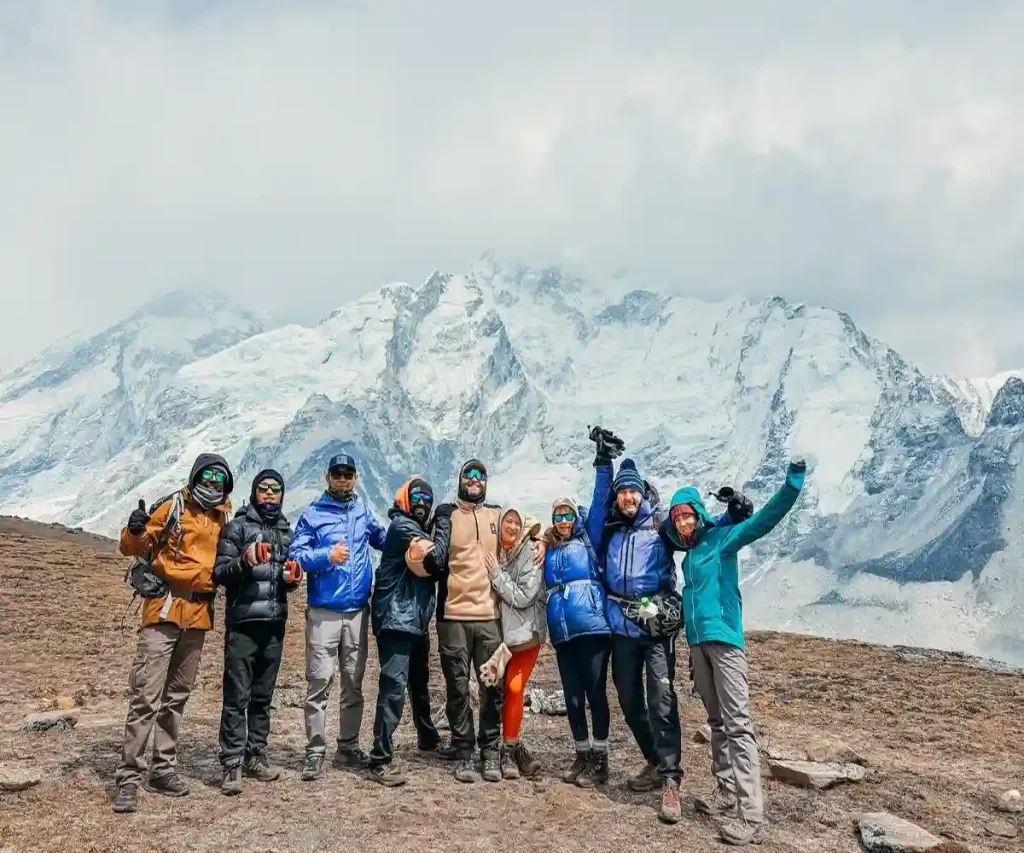
Overall health, mobility, and fitness matter more than age. Anyone considering the trek later in life should talk to a doctor beforehand, which is sound advice at any age, not just an older-trekker caveat.
Myth 9: The Best Time to Go Is Whenever You Can Get Time Off
Weather and season affect this trek more than most people realize before booking.
- Spring (March to May) and autumn (September to November) offer the most stable weather, clearest mountain views, and safest trail conditions. Most trekkers plan around one of these windows for good reason.
- Winter brings serious cold and a higher chance of snow closing trails or disrupting flights.
- Summer monsoon brings rain, leeches at lower elevations, and clouds that can block the mountain views that are a large part of why people make this trip.
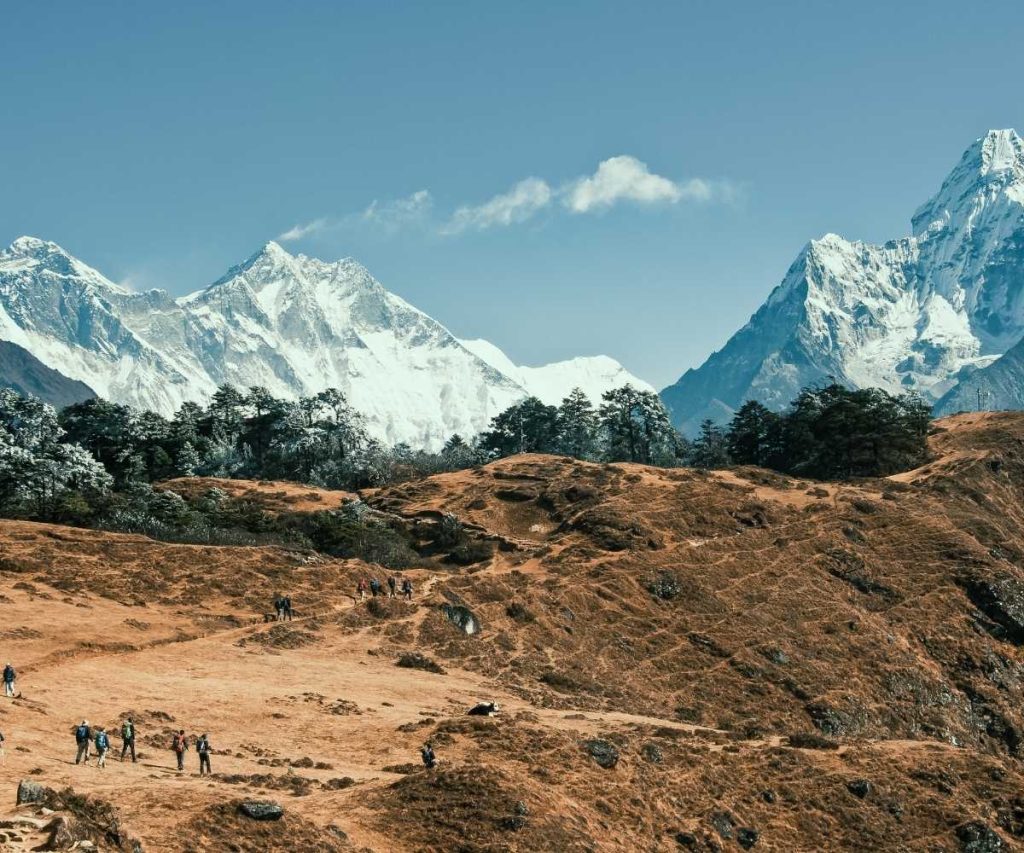
If your schedule has any flexibility, build your trip around the season rather than fitting the season around whatever week happens to be free.
What This Actually Means for You
The Everest Base Camp trek isn’t easy. It’s a genuinely demanding multi-day trek at high altitude, and it deserves to be taken seriously and prepared for properly. But “demanding and worth preparing for” is a very different thing from “requires technical climbing skill” or “only for elite athletes,” which is the version of this trek that exists mostly in people’s imaginations rather than on the actual trail.
If you’re weighing whether this trek is realistic for you, the honest answer usually comes down to how much time you’re willing to put into preparing, not some fixed bar of fitness or experience you either clear or don’t.
For the full route, day-by-day itinerary, cost breakdown, and a detailed look at training and preparation, see our complete Everest Base Camp Trek guide. If you’re ready to look at trip dates and what’s included, our Everest Base Camp Trek package page has the full itinerary and pricing.

