


Three real scenarios that help you decide if the luxury Everest Base Camp trek is worth the upgrade, from the Kathmandu-based team that runs both versions of this trek.
“Luxury trek” sounds like a contradiction to a lot of people. You’re still walking to Everest Base Camp. You still gain the same elevation, cross the same suspension bridges, and pass through the same Sagarmatha National Park villages as anyone on the standard route. So what does “luxury” actually change, and more importantly, who is it actually for?
Rather than list inclusions you can already find on the package page, here are three kinds of trekkers who tend to get real value from the upgrade, and one honest note on who probably doesn’t need it.
The Time-Constrained Professional
If you have two weeks of annual leave and a demanding job waiting the moment you’re back, the standard 16-day itinerary can be a hard fit.
The Luxury Everest Base Camp Trek runs on a 12-day itinerary, largely because it uses a helicopter for the return journey to Kathmandu instead of retracing the trek on foot and flying out of Lukla. That single change matters more than it sounds on paper:
- On the standard route, the final days are spent walking back down the same trail you already climbed, then waiting on a Lukla flight that weather can delay (we cover how often that happens in our guide to Lukla flight delays)
- Trading that return walk for a helicopter transfer takes the trip from 16 days down to 12, giving back days a standard itinerary simply doesn’t have to give

If your real constraint is the calendar and not the trek itself, this is the most direct reason the upgrade exists.
The Trekker Prioritizing Comfort and Recovery
Some trekkers want the full Everest Base Camp experience but have a real reason to prioritize recovery along the way: a past injury, a health consideration they’re managing carefully, or simply wanting to arrive at each day’s end without the discomfort of basic teahouse lodging night after night.
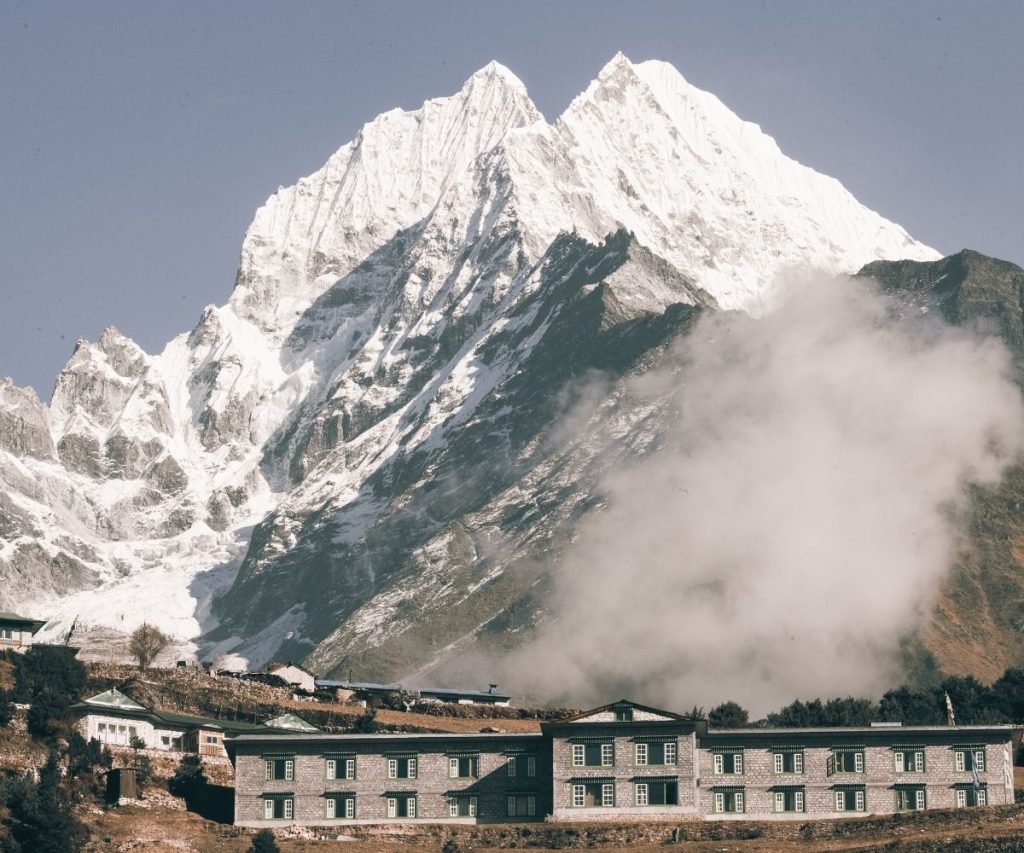
The luxury version pairs a 5-star hotel stay in Kathmandu with luxury lodges on the trail, switching to standard lodges for four nights at the higher elevations. Warmer rooms, better bedding, and more reliable facilities don’t change the trek itself, but they change how much your body has to recover overnight before doing it again the next day. For a closer look at the rooms and food, see our guide to meals and accommodation on the Luxury Everest Base Camp Trek.
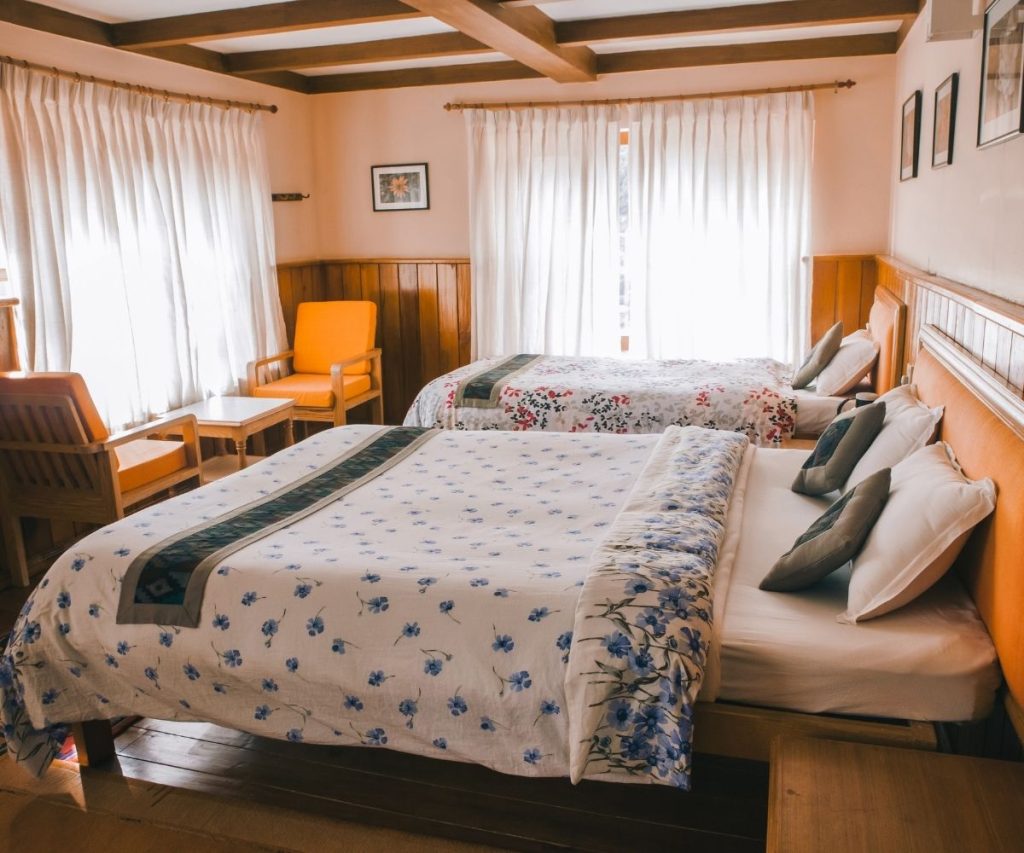
This isn’t about being unable to handle the standard trek. It’s about choosing to spend money on recovery quality rather than spending willpower on discomfort, which is a reasonable trade for someone who can afford to make it.
If you’re managing an injury or health condition, talk to your doctor before booking either version of this trek. The CDC’s guidance on high-altitude travel and altitude illness is a useful primer to read before that conversation.
The Couple Wanting a Complete but Efficient Experience
For a couple planning a trip together, especially when only one person has serious high-altitude trekking experience, the luxury option offers something the standard trek doesn’t: a genuinely shared, comfortable experience without stretching the trip into the outer limits of a joint vacation.
- Shorter total trip length: 12 days instead of 16
- A higher staff-to-client ratio: one assistant guide for every three trekkers, compared with one for every four on the standard trek
- More comfortable overnight stays
Together, these make the experience feel less like an endurance test one partner has to talk the other into, and more like a trip both people can enjoy on their own terms. The upgraded comfort doesn’t lower the altitude or shorten the walking days, but it removes some of the accumulated fatigue that can turn a shared adventure into a one-sided ordeal by the second week.

Who Probably Doesn’t Need the Upgrade
If budget is a real constraint, you’re comfortable with basic teahouse lodging, extra time off isn’t an issue, and you’re not managing a specific comfort or recovery need, the standard Everest Base Camp Trek gets you to the same destination, the same views, and the same sense of accomplishment at a lower price.
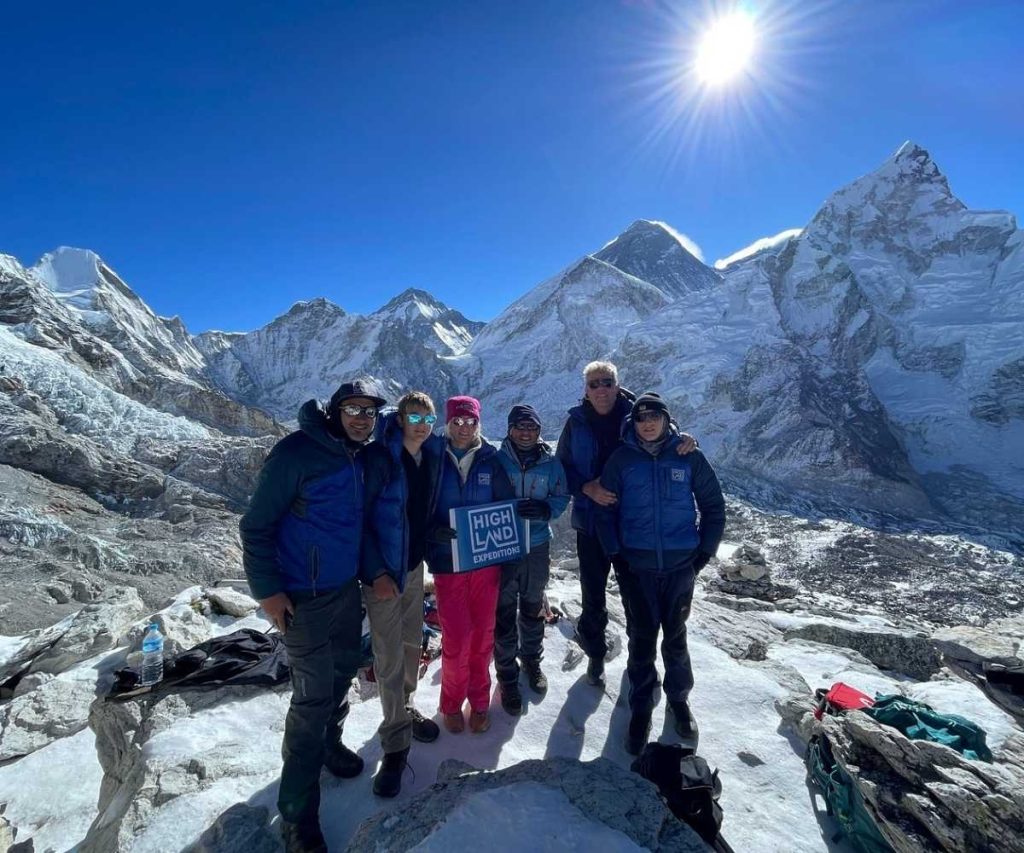
The luxury trek doesn’t get you anything the standard trek doesn’t in terms of the actual achievement of reaching base camp. What it buys is time, comfort, and recovery, and those are only worth paying for if one of them is a real constraint for you. There’s no version of this decision where one option is objectively better. It depends on what you’re optimizing for: budget, time, or comfort.
What This Costs
The Luxury Everest Base Camp Trek starts from $4,199 per person, against the Standard trek’s $1,889. That’s a real premium, and it should buy something specific, not just a nicer-sounding name. What you’re paying for is the shorter 12-day timeline with the helicopter return, the 5-star hotel and luxury lodges, and the higher staff ratio described above, not a different destination or a different sense of accomplishment.
Making the Call
If you recognized your own situation in one of the three scenarios above, the luxury option is likely worth the premium for you. If none of them quite fit and price is a real factor, the standard trek is a completely legitimate way to reach Everest Base Camp, used by the vast majority of trekkers on this route every season. If you want the two options laid out inclusion by inclusion, our Standard vs Luxury Everest Base Camp Trek comparison does exactly that.
We’re Highland Expeditions, based in Kathmandu, and we run both versions of this trek. If you want to talk through which one actually fits your situation rather than guessing from a webpage, that’s a conversation we have with trekkers regularly, and we’re glad to have it with you too.
For the full itinerary and everything included on the luxury route, see our Luxury Everest Base Camp Trek package page. To compare it directly against the standard trek and other EBC trip styles, our complete Everest Base Camp Trek guide has a full breakdown of all the options side by side.

