

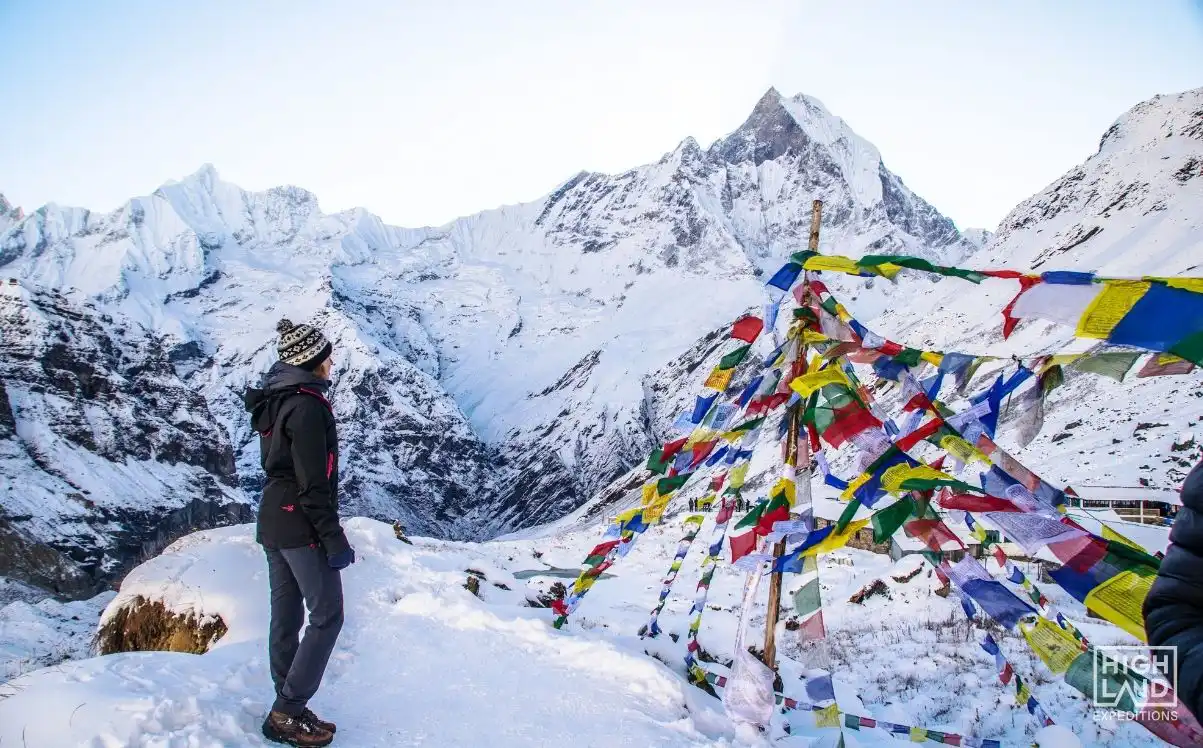
Have you ever imagined walking into the Himalayas for the first time? Nepal offers a trekking paradise where stunning landscapes and rich culture converge. That’s why this small landlocked country is considered an ideal place to start your mountain adventures.
For first-time trekkers, choosing an easy, well-thought-out route is essential. Reasonable daily walking distances and dependable teahouses help beginners enjoy the experience while gaining confidence along the way. Starting a demanding trek can lead to exhaustion or unnecessary stress, which undermines the joy of seeing the Himalayas.
Beginner-friendly trekking in Nepal is built to deliver both adventure and safety. You get to witness stunning mountain scenery, connect with friendly local people, and stay safe with guidance from skilled local teams.
From the Annapurna to the Langtang Valley trek, these carefully selected treks are ideal for anyone starting their Himalayan trekking journey. With thorough planning and help from our experienced team, you can begin your first Himalayan trip feeling confident, comfortable, and ready to create memories that stick with you forever.
Start your first Himalayan trek with Highland Expeditions
Table of Contents
Why Should Beginners Choose an Easy Trek for the First Time?
When you’re stepping into the world of Himalayan trekking, starting with an easy trail makes all the difference. Easy treks in Nepal let you enjoy the beauty of the mountains without pushing your body or mind too hard. Choosing a trek that’s too difficult on your first attempt can lead to fatigue, altitude-related discomfort, or a loss of motivation. What should be a joyful journey turns into a struggle.
Here, we’ve listed the top five reasons to choose beginner-friendly treks:
- Gentle trails build confidence: Easy routes mean reasonable daily distances and steady altitude increases. This helps your body and mind get into the rhythm of trekking without feeling rushed or strained.
- Lower altitude reduces health risks: Beginner treks often stay under challenging heights. For beginners, this lowers the chance of altitude sickness and gives them time to adjust comfortably.
- Cultural immersion along the way: Walking through villages such as Ghorepani or Helambu helps you connect with local lifestyles and traditions. You experience Nepal’s culture directly, from friendly greetings to filling meals and shared stories, not just the mountains.
- Comfortable stops encourage enjoyment: Teahouses and local lodges along the trail make resting simple and comfortable. You end your day with warmth, food, and conversation instead of worrying about tents or heavy gear.
- Stories worth telling, not regrets: Completing a beginner trek, such as the classic Ghorepani Poon Hill (with its incredible sunrise and mountain views) or the peaceful Langtang Valley Trail, gives you experiences you’ll happily share. All this can be done without the stress of overly tough terrain.
Best Beginner Friendly Treks
We’ve listed the most suitable treks for first-time trekkers in Nepal based on our clients’ feedback. They are listed as follows:
1. Everest Base Camp Trek
The Everest Base Camp Trek unfolds slowly over around 16 days, and that time on the trail is what makes the experience so special. From the moment you land in Lukla, the journey feels personal rather than rushed. The trail winds through Sherpa villages, quiet forests, and open valleys, with the mountains slowly growing larger each day. It’s not just about reaching base camp, but about watching the Himalayas reveal themselves step by step.
For beginners, the longer duration works in your favor. Rest days in places like Namche Bazaar and Dingboche give your body time to adjust naturally. These breaks also let you explore local life, visit monasteries, and enjoy views without carrying your pack all day. Even at higher elevations, the presence of comfortable lodges and steady pacing helps first-time trekkers feel supported.
Standing at Everest Base Camp is emotional, but many travelers say the real magic lies in the journey itself. Sharing meals with Sherpa families, walking beneath prayer flags, and watching the light change on Everest at dawn create memories that stay with you long after the trek ends. With the right guidance and patience, this iconic route becomes doable, even on your very first Himalayan trek.

Top Attractions:
- Everest Base Camp and Kala Patthar
- Namche Bazaar and Sherpa culture
- Tengboche Monastery
- Views of Everest, Lhotse, and Nuptse
- Traditional mountain lodges
2. Annapurna Base Camp Trek
The Annapurna Base Camp Trek takes about 12 days, offering a balanced mix of adventure and comfort. The trail starts gently, leading you through green hills, flowing rivers, and small farming villages. Each day brings a new landscape, and the gradual change keeps the journey exciting without being overwhelming.
This trek is popular with beginners because it feels welcoming from the very first day. The paths are clear, the villages are close together, and teahouses offer warm meals and restful nights. Walking through Gurung and Magar communities adds a human connection to the scenery, turning the trek into more than just a mountain walk.
Reaching Annapurna Base Camp is quietly powerful. Surrounded by towering peaks and open sky, the moment feels calm rather than overwhelming. The steady climb and thoughtful pacing make this trek a favorite for first-time trekkers who want to experience the Himalayas fully, without pushing too hard.

Top Attractions:
- Annapurna Base Camp
- Machhapuchhre (Fishtail) views
- Gurung and Magar villages
- Forested trails and waterfalls
- Natural hot springs at Jhinu
3. Annapurna Circuit Trek
Spreading over around 15 days, the Annapurna Circuit feels like a journey through several worlds. You begin in warm river valleys and gradually climb into alpine landscapes, where mountains stretch endlessly in every direction. The loop format keeps the experience fresh, as no two sections of the trail feel the same.
What makes this trek suitable for beginners is the gradual rise in altitude, especially in the early days. Time spent in villages like Manang allows your body to adapt while you explore local life and mountain culture. Rest stops are frequent, and the well-traveled route makes each day feel manageable.
Crossing Thorong La Pass is the most challenging moment, but it’s also deeply rewarding. By the time you reach it, you’ve built both strength and confidence. Descending into the Mustang region afterward feels like closing a meaningful chapter, one filled with variety, connection, and quiet achievement.

Top Attractions:
- Manang Valley
- Thorong La Pass
- Tilicho Lake side trip
- Muktinath Temple
- Changing landscapes and cultures
4. Gokyo Lakes and Renjo Pass Trek
This trek usually takes 16 days and offers a quieter side of the Everest region. Instead of busy trails, you walk through wide valleys and along glacial lakes that reflect the surrounding peaks in shades of blue and green. The atmosphere feels peaceful, almost meditative.
The route is carefully planned, giving beginners enough time to acclimate to the altitude without feeling rushed. Daily walks are balanced, and lodges along the way provide comfort after long days outdoors. The slower pace allows you to fully absorb the silence and beauty of the mountains.
Crossing Renjo Pass is a highlight that feels earned rather than forced. From the top, the views stretch across Everest and beyond. The sense of space and calm makes this trek ideal for those who want a first Himalayan experience that feels personal and unhurried.

Top Attractions:
- Gokyo Lakes
- Gokyo Ri viewpoint
- Renjo La Pass
- Glacier valleys
- Quiet Sherpa settlements
5. Langtang Valley Trek
The Langtang Valley Trek takes around 11 days and is one of the most accessible Himalayan treks from Kathmandu. Within a short drive, you find yourself walking through forests, villages, and open valleys framed by high peaks. The shift from city life to mountain calm happens quickly here.
This trek is especially suitable for beginners because the trail is steady and the days are not overly long. Tamang villages along the route offer warm hospitality and insight into Tibetan-influenced culture. The mix of nature and community gives the trek a relaxed and welcoming feel.
Reaching Kyanjin Gompa brings a sense of space and stillness. Snow-covered peaks rise above the valley, and optional viewpoint hikes add a touch of adventure without pressure. For first-time trekkers, Langtang offers a gentle yet deeply rewarding introduction to the Himalayas.

Top Attractions:
- Kyanjin Gompa
- Langtang Lirung views
- Tamang culture
- Forested valleys
- Glacial landscapes
6. Annapurna Poonhill Trek
The Annapurna Poon Hill Trek takes about 10 days and is often the first choice for beginners. It offers big mountain views without the challenges of high altitude or long walking days. The trail passes through colorful villages, stone steps, and forest paths that feel alive with movement and sound.
This trek is approachable from the start. The altitude stays manageable, the trails are well marked, and teahouses are frequent and comfortable. Each day feels doable, allowing trekkers to enjoy the journey rather than count the hours.
The sunrise at Poon Hill is unforgettable. As the light spreads across the Annapurna and Dhaulagiri ranges, many trekkers realize they’ve fallen in love with the Himalayas. For a first trek, it offers beauty, confidence, and a sense of accomplishment in equal measure.

Top Attractions:
- Poon Hill sunrise
- Annapurna and Dhaulagiri views
- Gurung villages
- Rhododendron forests
- Short and rewarding trail
Things First-Time Trekkers Need to Prepare
Preparing well before your first trek can turn nervous excitement into quiet confidence. The Himalayas reward those who arrive ready, not just with strong legs, but with the right mindset and simple planning. Good preparation lets you enjoy the scenery, culture, and daily rhythm of the trail without unnecessary stress.
- Physical Preparation: You don’t need to be an athlete, but a basic fitness routine goes a long way. Regular walking, climbing stairs, and light cardio help build stamina and strengthen your legs.
- Gear and Clothing: Comfort is everything on the trail. Layered clothing helps you adapt to changing temperatures, while sturdy trekking boots protect your feet on uneven paths. A warm sleeping bag, trekking poles, and a reliable daypack can make each day easier and more enjoyable.
- Health and Safety: Understanding altitude and listening to your body are key parts of trekking safely. Basic vaccinations, personal medications, and a small first-aid kit should always be part of your preparation.
- Mental Preparation: Trekking teaches patience. Days can be long, weather can shift, and comforts are often simple. Being open, flexible, and ready for basic living conditions helps you enjoy the journey rather than fight against it.
- Travel Documentation: Having the right documents in place saves time and worry. Your passport, trekking permits, travel insurance, and guide contact details should be organized before you start. Once these are sorted, you’re free to focus on the adventure ahead.
Why Choose Highland Expeditions for Your First Trek
When you choose the right team for your first trek, it can shape how you remember the Himalayas for years to come. That’s why we focus on making first-time treks comfortable, well-paced, and meaningful, so you can enjoy the journey rather than worry about the details.
- Experienced guides with deep local knowledge: Our guides are locals who know these trails inside out. They understand the terrain, weather patterns, and altitude changes. They also share stories, traditions, and insights that bring the mountains and villages to life.
- Fully planned itineraries: Every trek we offer is carefully designed to balance walking hours, rest, and acclimatization. Comfortable teahouses, good meals, and daily routines are arranged in advance, so your focus stays on the views and the experience.
- Support for small groups or solo travelers: We keep group sizes small to give personal attention. Solo travelers, including first-timers, feel welcomed and supported from start to finish, never lost in a crowd.
- Personalized trekking advice and assistance: Before the trek even starts, we help you prepare with clear guidance on fitness, packing, and what to expect. On the trail, plans can be adjusted to match your pace and comfort when needed.
- Local cultural immersion: Trekking isn’t just about mountains. With us, you experience daily village life, local cuisine, monasteries, and seasonal festivals, fostering a genuine connection to Nepal’s culture.
- Stress-free first trekking experience: Our team handles all trekking logistics for you, including permits, transport, and trail coordination. This removes uncertainty and lets you enjoy your first Himalayan trek with peace of mind.
Conclusion
Your first trekking journey should feel exciting, not intimidating. Nepal offers the perfect balance of dramatic Himalayan scenery, welcoming villages, and well-established trekking routes that help beginners ease into mountain travel with confidence. By choosing routes designed for first-time trekkers, you reduce the risk of exhaustion, altitude problems, and unnecessary stress. This lets you enjoy the landscapes, culture, and personal achievement that trekking is truly about.
With thoughtful planning, experienced local guidance, and complete logistical support, your journey becomes smooth from start to finish. Beyond Nepal, we carefully guide adventures available in Bhutan, Tibet, and India, offering rich cultural experiences and iconic Himalayan landscapes for travelers who wish to explore further. Wherever your path leads, the focus stays the same: safe travel, authentic experiences, and journeys that leave lasting memories.
Begin your Himalayan adventure with Highland Expeditions and take your first step into the mountains with confidence.
Frequently Asked Questions (FAQs)
-
How much physical fitness is required to complete these beginner treks?
Our beginner-friendly treks are designed for travelers with moderate fitness levels. Daily walks typically range around 6 hours, giving you ample time to enjoy the scenery while gradually building stamina and acclimating to the environment.
-
What is the risk of altitude sickness on beginner treks, and how can it be prevented?
While these treks usually stay below extreme altitudes, mild altitude sickness can still happen. Our team focuses on gradual acclimatization, proper hydration, and careful monitoring to keep you safe and comfortable throughout the journey.
-
Are these treks suitable for solo female travelers?
Absolutely. We welcome solo female trekkers and provide experienced guides and supportive staff to ensure you feel safe, comfortable, and worry-free throughout your adventure.
-
What meals and accommodation can I expect on these treks?
You’ll stay in cozy teahouses or lodges that offer a mix of local and international meals. We carefully select accommodations that offer cleanliness, comfort, and a warm, relaxing place to rest after each day’s trek.
-
Can I trek if I have dietary restrictions or allergies?
Yes, we accommodate dietary needs, including vegetarian, vegan, and gluten-free options. Please let us know in advance, and we’ll ensure your meals are safe and satisfying.
-
Is travel insurance necessary, and what should it cover for trekking?
At Highland Expeditions, we strongly recommend travel insurance that covers emergency medical evacuation and medical expenses. Having the right coverage gives you peace of mind throughout your Himalayan adventure.
-
How do I prepare for sudden weather changes in the Himalayas?
The weather can change quickly in the mountains, even on beginner treks. We recommend packing layered clothing, waterproof gear, and sturdy footwear, and relying on our guides’ expertise to adjust plans safely.
-
Are there opportunities for cultural experiences along these beginner treks?
Yes, our routes include visits to local villages, monasteries, and markets. This allows you to experience authentic Himalayan culture alongside beautiful landscapes.
-
Can I customize these treks in terms of duration or difficulty level with Highland Expeditions?
Absolutely. We offer flexible schedules, letting you adjust the pace, duration, and difficulty to fit your goals. Our team works with you to create a personalized adventure that’s both enjoyable and doable.

