


Last updated: 24 October 2026. This article is general information, not medical advice. See a doctor who knows high-altitude medicine before you travel, especially if you have a heart, lung or blood condition or are pregnant.
Everest Base Camp altitude sickness is the main medical risk on the trek, and it is largely preventable with a slow schedule and honest reporting of symptoms. Fitness does not protect you: fit people get sick too, and sometimes faster, because they climb faster. This guide explains the three forms of altitude illness, how to spot them, how to reduce your risk, and the rule that matters most: if symptoms get worse, or you cannot walk in a straight line, go down.
Key takeaways
- Acute Mountain Sickness (AMS) starts with a headache plus nausea, poor sleep, fatigue or loss of appetite. If you have these, stop climbing.
- Severe forms (HACE, brain; HAPE, lungs) are emergencies. The treatment is descent, not waiting.
- Prevention is a slow schedule: limit how much higher you sleep each night, take rest days, and “climb high, sleep low”.
- Do not use sleeping pills or alcohol at altitude, and do not rely on a finger pulse oximeter to decide whether you are safe.
How high does the EBC trek go?
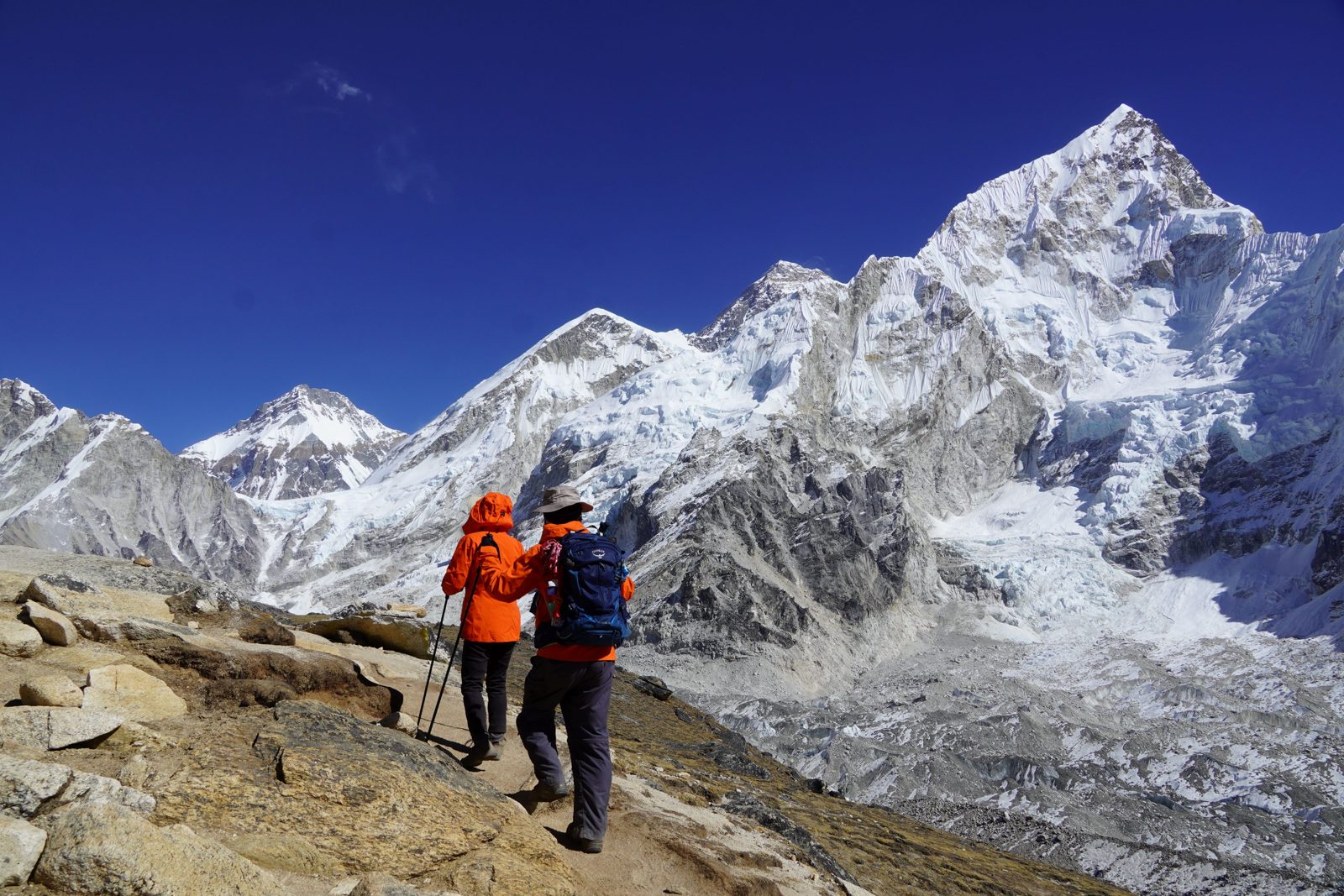
The trail climbs from Lukla at about 2,860 m to Everest Base Camp at 5,364 m, with an optional viewpoint at Kala Patthar (about 5,545 m).
| Place | Approx. altitude |
|---|---|
| Lukla | 2,860 m |
| Namche Bazaar | 3,440 m |
| Tengboche | about 3,870 m |
| Dingboche | about 4,400 m |
| Lobuche | about 4,900 m |
| Gorak Shep | 5,140 m |
| Everest Base Camp | 5,364 m |
| Kala Patthar | about 5,545 m |
Above roughly 2,400 m the body starts to feel the lower oxygen. Most of the trek is above that. See the full route profile in our distance, difficulty and altitude guide.

The three types of altitude illness
Acute Mountain Sickness (AMS)
AMS is the common, milder form. The standard definition is a headache plus at least one of: nausea or vomiting, poor sleep, fatigue or weakness, loss of appetite, or dizziness. It often feels like a hangover. It usually appears several hours after reaching a new, higher sleeping altitude.
What to do: stop going higher. Rest, drink, eat if you can, and tell your guide at once. Mild AMS usually improves in a day or two at the same altitude. If it gets worse, descend.
High Altitude Cerebral Edema (HACE)
HACE is swelling of the brain, usually developing from worsening AMS. The warning signs are loss of coordination (ataxia) and changes in thinking or behaviour: confusion, unusual irritability, extreme drowsiness, hallucinations. A simple check is to ask the person to walk heel-to-toe along a line. If they cannot, treat it as HACE.
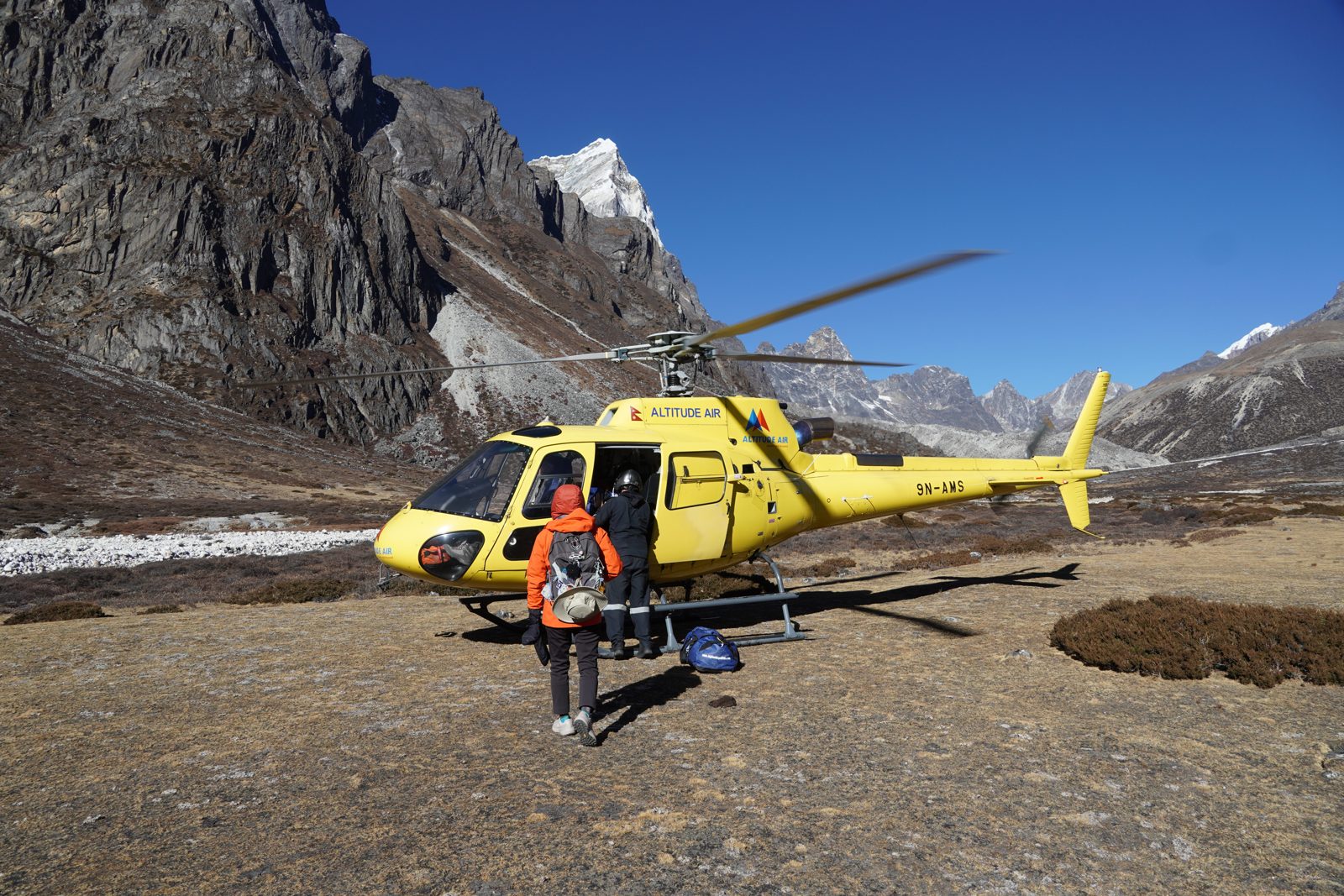
What to do: this is an emergency. Descend immediately with a companion, and arrange evacuation. Do not wait for morning.
High Altitude Pulmonary Edema (HAPE)
HAPE is fluid in the lungs. Signs include breathlessness at rest, a persistent cough (sometimes with frothy or pink sputum), a feeling of tightness or gurgling in the chest, and unusual weakness.
What to do: also an emergency. Descend and arrange evacuation. Rest and avoid exertion while the descent is organised.
Why some people get sick on the EBC trek
The main cause is going up too quickly. The Lukla flight takes you to 2,860 m in about 30 minutes, with no gradual start, and the next nights are at higher and higher villages. Other factors include:
- Previous altitude illness. If you have had it before, you are more likely to have it again.
- Dehydration, illness or poor sleep before or during the trek.
- Pressure to keep to the schedule. Groups that cannot slow down are riskier. Weather delays can compress an itinerary.
- Hiding symptoms. Many serious cases begin with someone saying “I’m fine”.

How to prevent altitude sickness on the EBC trek
1. Ascend slowly
The widely used guidance from altitude-medicine bodies such as the American Alpine Club is that, above about 2,400 m, your sleeping altitude should rise by no more than about 300 to 450 m (1,000 to 1,500 ft) per day, with a rest day after every three to four days of gain. Schedules with fewer rest days leave less margin. This is why we prefer a 16-day plan to a short one. Read about acclimatisation in our acclimatisation guide.
2. Climb high, sleep low
Walk to a higher point during the day, then come back down to sleep. On the EBC route this is built into the acclimatisation days at Namche Bazaar and Dingboche.

3. Hydrate and eat
Drink steadily through the day, and keep eating even when your appetite drops. Avoid alcohol, and avoid sedatives or sleeping pills, which can suppress breathing at night.
4. Know about medication
Acetazolamide (Diamox) is sometimes used to help with acclimatisation, but it is a prescription medicine, and should only be taken on the advice of a doctor. Dexamethasone and other drugs are for emergencies and treatment under medical direction. We do not give dosages here.
5. Do not rely on a pulse oximeter
Finger oximeters are common on the trail, but a reading does not reliably predict who will get sick. A “good” number does not clear you, and a low number can be misleading with cold fingers. Symptoms matter more than numbers.
6. Travel well before you go
A good base level of fitness helps you enjoy the trek and recover, although it does not prevent altitude illness. See our preparation and training guide and the plan to train for the Everest Base Camp trek.
When to descend: the rules
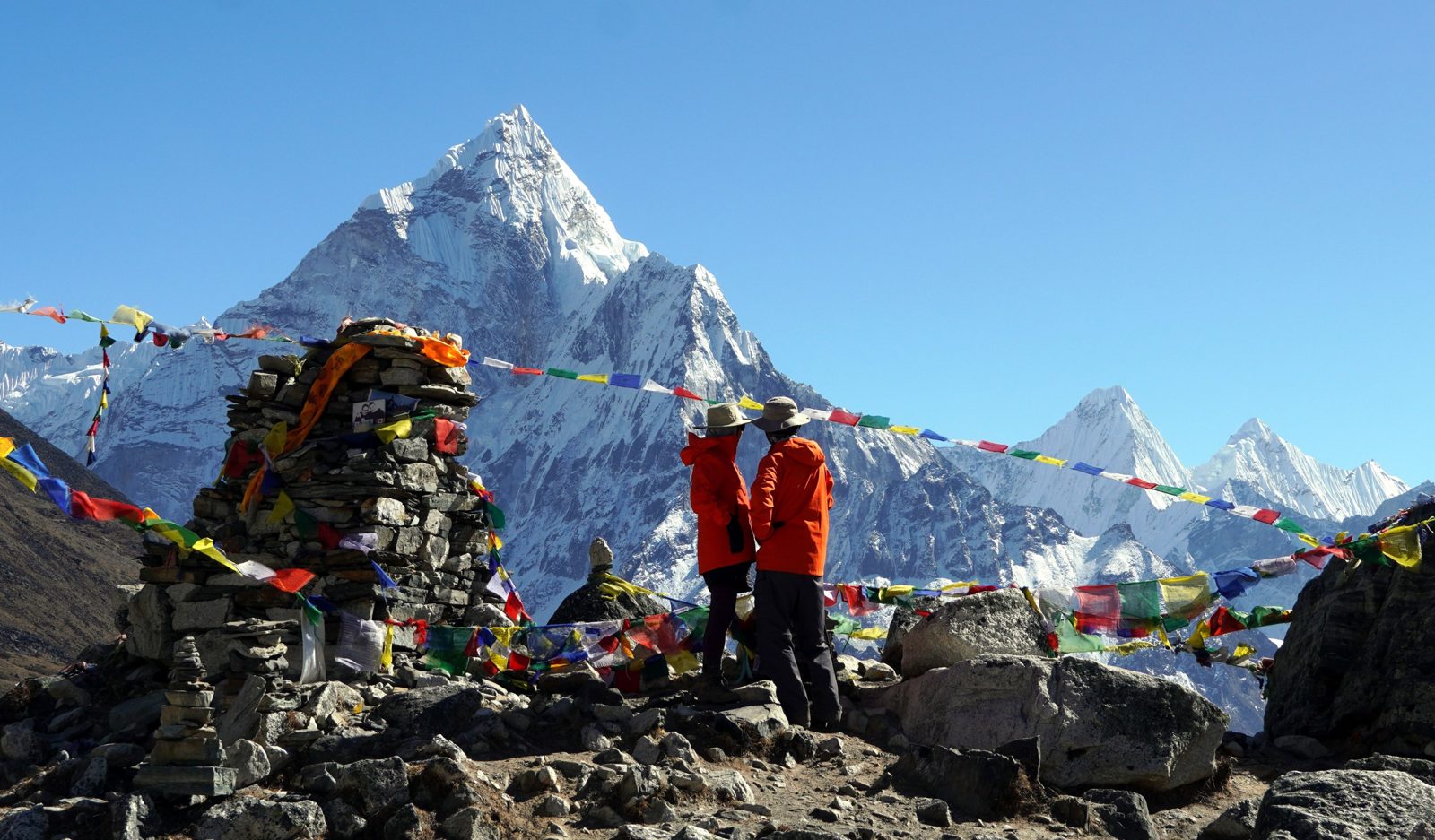
Keep these simple rules in your head:
- Never go higher with AMS symptoms. Stay at the same altitude until symptoms clear completely.
- If symptoms get worse, go down. Do not wait to “see how it feels in the morning”.
- HACE or HAPE signs mean immediate descent. Loss of balance, confusion, breathlessness at rest and a wet cough are all reasons to go down now.
- Never leave a sick person alone, and never let them descend alone.
- Report honestly. Your guide cannot protect you from symptoms you hide.
What Sherpa guides and operators bring
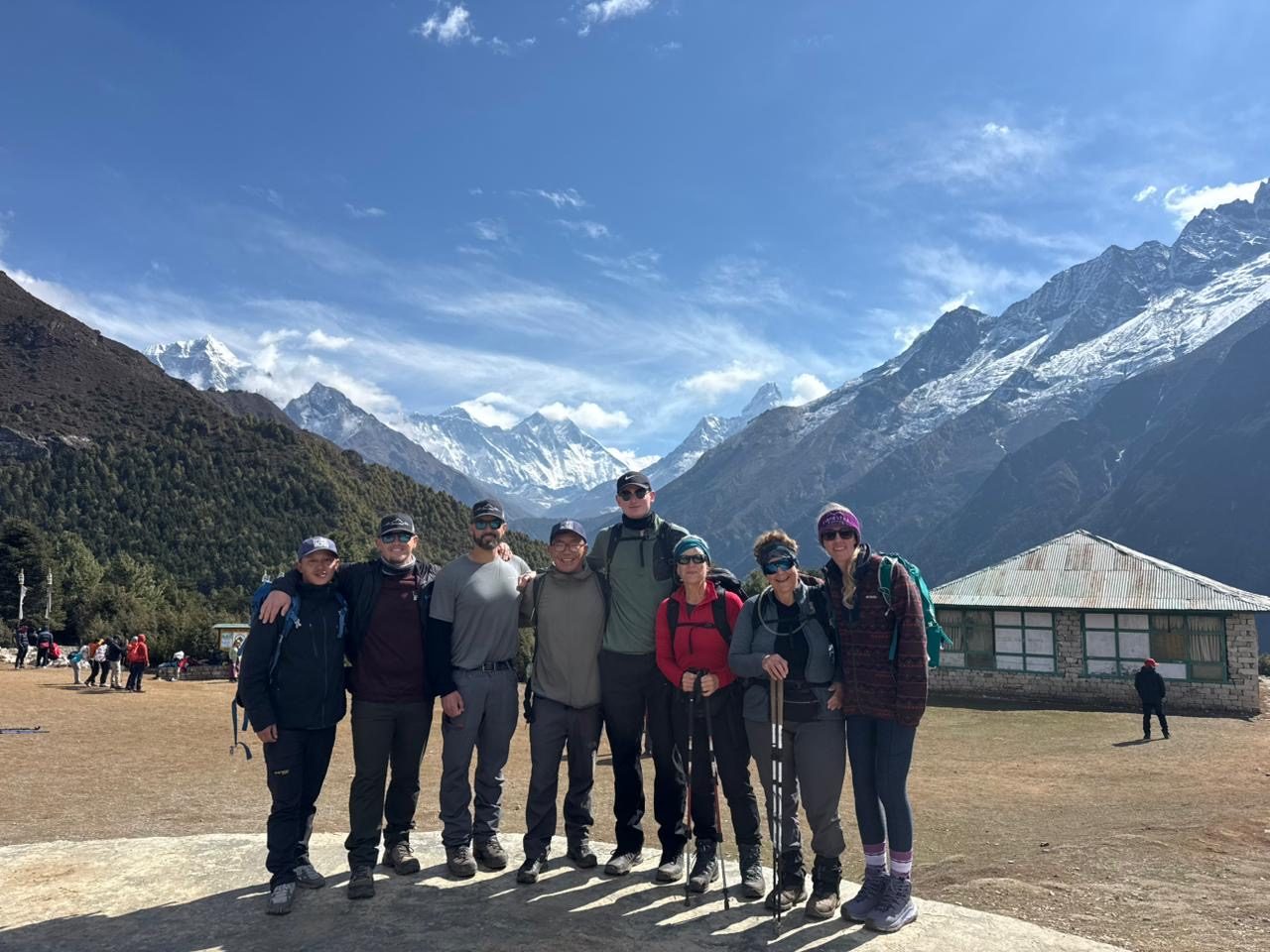
A trained, licensed guide matters more here than any single piece of gear. They know the route, notice early signs, can change the plan, and organise evacuation. On Highland’s Everest Base Camp trek the group travels with assistant guides at a 1:4 ratio, an emergency oxygen bottle and a first aid kit. Read more about the people behind the trails in who are the Sherpas. Ask any operator how it handles altitude: how often guides check each trekker, what oxygen and first-aid supplies they carry, and what the evacuation plan is.
Weather can also add or remove acclimatisation days. See Lukla flight delays and your backup plans so you can plan buffer days on either side.
Frequently asked questions
What are the first signs of altitude sickness on the EBC trek?
A headache together with nausea, poor sleep, tiredness, dizziness or loss of appetite. If you have these after reaching a new altitude, stop climbing and tell your guide.
Can fit people get altitude sickness?
Yes. Fitness does not prevent it, and strong trekkers who climb quickly can be at higher risk.
At what altitude does altitude sickness start?
Symptoms can start from around 2,400 m for some people, and most cases on the EBC route are above 3,000 m. It depends on the person and the speed of ascent.
Should I take Diamox on the Everest Base Camp trek?
Only if a doctor advises it. It is a prescription medicine with side effects, and it does not replace a slow ascent.
Is it safe to trek to Everest Base Camp?
Thousands of people do it every year, and risk is much lower with a slow schedule, a licensed guide and honest symptom reporting. It is still a high-altitude trek, and serious illness can happen. Choose an itinerary that has acclimatisation days.
What happens if I have to turn back?
Your guide will organise a descent, and an evacuation if needed. Your insurance should cover trekking to the highest point of your route and helicopter evacuation. Read the policy wording before you leave.
Planning the trek? See our Everest Base Camp itinerary with acclimatisation days or talk to our team.

