


Last updated: 7 October 2026
If you think the Everest Base Camp trek preparation means watching mountain documentaries and buying a new jacket, well, you’re halfway there. The truth is, yes, training for the Everest Base Camp Trek is necessary, but don’t worry, you don’t need to be a professional athlete. Some basic physical preparation, like walking, cardio exercises, strength training, and packing proper essentials, can help you make your journey smoother and more enjoyable. The trek doesn’t involve ropes or crampons, but it’s also not like walking in the park either. Being prepared means you’ll enjoy the views more and suffer less.
Let’s break it down: you’ll be trekking for 14-17 days at high altitudes, climbing as high as 5,364 meters, and walking 5-7 hours a day on steep, rocky, and rugged terrain. This is where training helps by building stamina, leg strength, and cardiovascular fitness. A short hiking practice or cardio before going for a trek helps your body adjust, reduces the risk of injury, and can even help prevent altitude-related issues. However, you don’t need to run marathons, but regular walks, some uphill climbs, and breathing exercises turn a hard trek into a thrilling adventure.
What to Prepare for the Everest Base Camp Trek?
Preparing for the Everest Base Camp trek isn’t just about excitement; it’s about getting ready for the challenges ahead. Careful planning will help you prepare for changing weather and deal with unexpected situations you’ll face along the way. From high altitudes to remote trails, being well-prepared can make your journey safer, smoother, and more entertaining. Here’s how to train for Everest Base Camp trek:




A Dream Journey to Everest Base Camp

A Dream Journey to Everest Base Camp
I recently had the absolute pleasure of embarking on a luxury Everest Base Camp trek with Highland Expedition, and I couldn’t be more thrilled with the experience. From start to finish, this journey was nothing short of extraordinary, thanks to the exceptional planning and guidance provided by Passang, the owner of the company.
Passang’s attention to detail and commitment to ensuring the trek was perfect in every way truly stood out. He not only provided us with all the necessary information and advice before our trip but also took the time to personally address any concerns or questions we had along the way. His knowledge and passion for the Himalayas were evident and added an extra layer of authenticity and depth to our experience.
During the trek, we were fortunate to have the expertise of our guide, Phunru, and his assistant guide, Mingma. Both were incredibly knowledgeable about the region and its history, always eager to share interesting facts and stories along the way. Their calm and reassuring demeanour made our journey even more enjoyable, and their ability to adapt to any situation while keeping our safety a top priority was truly commendable.
Additionally, I would like to express my gratitude to our porters, Ak and Milan. Their unwavering support and determination in carrying our belongings throughout the trek were simply amazing. Their strength and cheerful spirits, even in challenging conditions, made us feel incredibly well taken care of and allowed us to fully immerse ourselves in the beauty of the surroundings.
The highlight of the entire experience was undoubtedly the opportunity to sleep at Everest Base Camp itself. This was made possible by the meticulous planning and excellent logistics provided by Highland Expedition. The feeling of waking up surrounded by majestic peaks and witnessing the sunrise over Mount Everest is indescribable. It’s an experience I will cherish for a lifetime.
Overall, I highly recommend Highland Expedition for anyone looking to embark on a luxury Everest Base Camp trek. The level of personal care, attention to detail, and commitment to providing an unforgettable experience truly set them apart. Thank you again to Passang, Phunru, Mingma, Ak, and Milan for making this journey an absolute dream come true
A Well-Cared-For Trek to Everest Base Camp with Highland Expeditions
A Well-Cared-For Trek to Everest Base Camp with Highland Expeditions
Choosing Highland Expeditions to guide my trek to Everest Base Camp was definitely the right decision! They handled all aspects of my trip with top-notch professionalism and genuine care. I felt safe and supported by them the entire time with an itinerary that allowed me to immerse myself in the experience without ever feeling rushed or pushed too far out of my comfort zone. Trekking to Everest Base Camp is demanding both physically and mentally at times but my guide always gave me confidence and helped me stay the course to meet my goal with a positive attitude. Highland Expeditions truly cares for their guests and I would not hesitate to recommend them to anyone considering a trip with them.
Start Practicing Weeks in Advance
You don’t need to train like a mountaineer for the EBC trek, but starting some light practices at least 8-12 weeks before your trek can make a huge difference. The main goal of this training plan is to make your body used to regular movement. So, start with cardiovascular exercises like brisk walking, cycling, swimming, or jogging at least 3-5 times a week to build your stamina and improve lung capacity. Furthermore, add leg and core strength workouts in your Everest Base Camp training, like squats, lunges, and step-ups, to prepare for steep climbs and descents. Try long hikes with a backpack (10-15kg) to make a habit of actual trekking.
By starting early practice, your body gets a chance to adjust slowly and safely, reducing the risk of fatigue or injury on the trail. This kind of preparation builds not only physical strength but also mental confidence. You’ll feel more comfortable with long walking days and changing landscapes. You don’t have to be extremely good at hiking; just stay consistent. Even small efforts will help you when you give yourself enough time.
Pay Attention to Your Eating and Drinking Habits
What you drink and eat can affect how energetic you’ll feel on the Everest Base Camp trail. Start by making a habit of drinking plenty of water throughout the day. Staying hydrated helps your body adjust to high altitudes and reduces the chances of altitude sickness and similar problems. Similarly, focus on eating healthy foods such as grains, brown rice, oats, lentils, leafy greens, eggs, lean meats, fruits, and nuts. These types of food give your body the energy and strength required for long trekking days.
Try to avoid eating junk foods, alcohol, and sugary drinks because they can slow you down and dehydrate you. Making small changes early can improve your endurance, recovery, and overall strength during the trek. And if you’re someone who likes more comfort and good food while trekking, then you might want to check out ourLuxury Everest Base Camp Trek package, where you can enjoy better meals and high-standard accommodations along the route.
Get the Gears and Equipment as soon as possible
Don’t wait until the last week to take your trekking gear; rushing at the last minute leads to bad choices or missing essentials. Start with these essentials:

| Clothing & Footwear | Gear & Equipment |
| Hiking Boots (1 pair) Wool or Thermal Hiking Socks (4–5 pairs) Base Layer Tops (2–3 pairs) Base Layer Bottoms (2 pairs) Trekking Pants (2–3 pairs) Insulating Mid-Layer (1 fleece or down jacket) Warm Hat/Beanie (1) Neck Gaiter or Buff (1–2) Sun Hat or Cap (1), Gloves (2 pairs) | Backpack (40L–50L) Duffle Bag (1) (if using porters) Sleeping Bag (1, rated to -10°C or lower) Trekking Poles (1 pair) Headlamp with Extra Batteries (1) Water Bottles (2 x 1L) or Hydration Bladder (2–3L) |
| Personal Items & Toiletries | Miscellaneous |
| Sunscreen (SPF 30 or higher) UV Protection Sunglasses (1 pair) Lip Balm with SPF (1) Toilet Paper (2–3 rolls) Hand Sanitizer & Wet Wipes (1–2 small packs) Basic First Aid Kit Quick-dry Towel (1) Toothbrush, toothpaste, biodegradable soap, nail clippers | Phone & Power Bank (1) Passport & Permits Snacks (Energy bars, nuts, ORS packets) |
While some gear can be rented or bought in Kathmandu, personal-use items like boots, clothes, and backpacks are better to purchase in advance. Buying these items early gives you the chance to research and compare suit quality and price. Later, choose the right gear that suits your body and the trek. Choosing lightweight, weather-appropriate, and durable equipment will make your trek more comfortable and easier.
Prioritize Rest and Acclimatization
Climbing higher may feel exciting, but your body needs time to adjust. That’s where acclimatization comes in; it’s the process of letting your body adapt to thinner air as you gain altitude. On high-altitude treks like Everest Base Camp, going too fast can lead to Acute Mountain Sickness (AMS), which can cause headaches, nausea, or even serious health risks. Therefore, the rest days are not a waste of time, they’re a smart and necessary part of the journey. Proper acclimatization stops like Namche Bazaar and Dingboche are listed in most of the itineraries to give your body the break it needs.

Even if you are an expert and healthy enough, it’s important to listen to your body and not rush. Hydrate regularly, get good sleep, and follow the golden rule: “Climb high, sleep low“. This means you can hike to a higher point during the day but sleep at a lower elevation to help your body adjust. Get comfortable, walk slowly, and don’t be afraid to take breaks. Going slower and resting more actually increases your chances of reaching base camp safely. And if you’re feeling strong and adjusting well to altitude, then you can choose Lobuche Peak with the EBC trek as your next big Himalayan goal.
Choose and Decide an Appropriate Time for a Hike in Advance
Choosing the right time to trek can make a huge difference in your Everest Base Camp experience, from weather and visibility to trail conditions and crowds. Here’s what to expect in different seasons during the EBC trek:
| Season | Highlights | Challenges |
| Spring (March to May) | Clear skies, blooming rhododendrons, stable weather | It can get crowded on the trail and at teahouses |
| Autumn (September to November) | Best visibility, dry weather, stunning views of mountains like Mount Everest, Ama Dablam, Lhotse, Nuptse | Popular time, so trails and accommodations can be busy |
| Winter (December to February) | Fewer crowds, beautiful views, peaceful environment | Very cold temperatures, possible snow, and closed lodges |
| Monsoon (June to August) | Fewer trekkers, lush green landscapes | Heavy rain, landslides, slippery trails, and fewer mountain views |

Based on the tabular data, we can conclude that the Spring and Autumn seasons are the best options to go. However, you can also choose another season, but you have to adjust and prepare more.
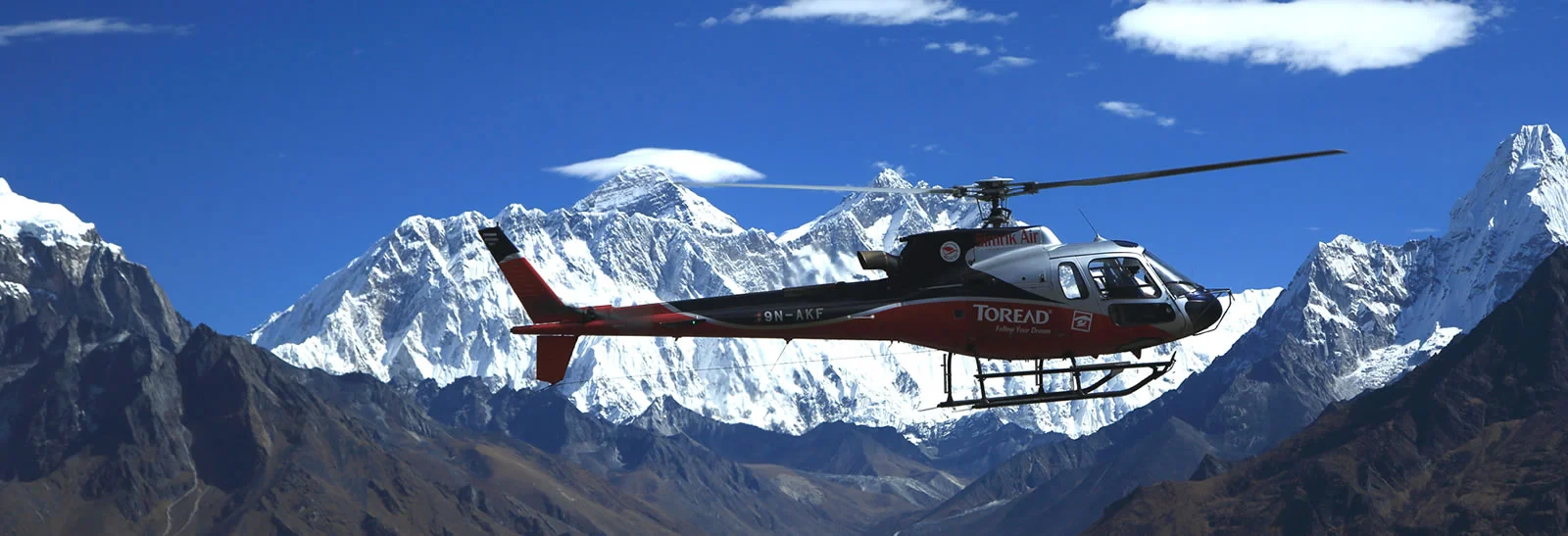

Hire a Good Government-Authorized Guide
Since April 2023, the Nepal Tourism Board has made it mandatory to hire a licensed guide for foreigners on the Everest Base Camp trek. This rule helps to improve safety, support, and sustainability in the region. A government-authorized guide is trained in first aid, high-altitude trekking, and rescue skills, making them an important part of your journey. They also help you with altitude sickness, suggest better acclimatization patterns, and keep an eye on your health throughout the trek.
What’s more? An experienced guide also makes the trek exciting by sharing stories about local culture, history, and hidden spots that you may miss on your own. They help you communicate with locals, handle lodge bookings, and make the journey as smooth as it can be. Hiring a licensed guide usually costs $25-$35 per day, which covers their salary, meals, and accommodations. Always verify their credentials by asking to see their official license or booking through a registered trekking agency.
Get your Documents and Permits in Place
To trek to Everest Base Camp, you must have the right permits, with no exceptions. The two main permits are the Sagarmatha National Park Entry Permit, costing around NPR 3,000 (USD 23) for foreigners, NPR 1,500 (USD 11) for SAARC nationals, NPR 100 (less than USD 1) for Nepali citizens, and is free for children under 10 yearsand the Khumbu Pasang Lhamu Rural Municipality Permit, which usually costs NPR 2,000 (USD 15) for the first four weeks. These are required to enter and travel through the Everest region. Under rules in force since April 2023, the Nepal Tourism Board lists the Everest Base Camp trek among the routes where trekkers must carry an agency-issued TIMS card (Trekkers’ Information Management System) and be accompanied by a licensed trekking guide. Your trekking agency arranges both.
You can get these permits at the Nepal Tourism Board office in Kathmandu or at Lukla and Monjo if you’re starting the trek directly from the region. Be sure to carry your passport, two passport-sized photos, and enough cash, as some places might not accept credit or debit cards. Getting these documents early helps you to start your adventure smoothly.
Staying Connected and Managing Money
Don’t expect full bars and fast internet connections while trekking to Everest Base Camp; the higher you go, the weaker the connection gets. You can stay connected by using mobile networks like Ncell and NTC (Nepal Telecom). Ncell usually works better in lower areas, while NTC may be faster at spots like Gorak Shep. It’s best to buy a local SIM card in Kathmandu with your passport and photo. Many teahouses offer Everest link WiFi cards or paid Wi-Fi per device, which costs around NPR 500-800 per day, but don’t expect high speed.
When it comes to money, cash is very important on the trail. Credit cards are rarely accepted after Lukla, and the last reliable ATM is in Namche Bazaar. Above Namche, ATMs are often empty or charge high fees, so it is better to withdraw enough cash in Kathmandu or Namche. Carry extra for emergencies, snacks, tips, Wi-Fi, or charging fees. It will be better to bring around USD 20-25 per day for daily expenses. With the right planning, you’ll stay connected and avoid unnecessary problems.
Learn to Respect Local Culture and Environment
When you trek to EBC, remember that you’re a guest in the land of Sherpas. Respecting their local culture is an important part of your journey. Be disciplined in monasteries, gompas, and villages. Always ask before taking photos, and walk clockwise around mani walls, stupas, and prayer wheels. Do not make noise, avoid loud music, and dress modestly, especially in religious areas. Even a small gesture like saying “Namaste” or learning a few Sherpa greetings shows kindness and respect.
Respecting the environment is also important. Follow the Leave No Trace rule: take your trash with you and avoid single-use plastics. Bring a reusable water bottle and refill it at teahouses or use water filters or tablets. Don’t burn trash, pick flowers, or carve your name on rocks or railings. Since 2020, plastic bottles and snack wrappers have been banned in some areas of Khumbu, so plan accordingly. Try to use natural products as much as possible because protecting this beautiful region is our duty.
What I Wish I Had Known Before My EBC Trek
- The last few days feel harder than the first few because higher altitude and fatigue correspond to tougher steps. But, no need to worry, just go through your schedule.
- Acclimatization doesn’t mean resting all day. Usually, you hike up to a higher place during the day, then come back down to sleep at a lower spot. This is called “climb high, sleep low.”
- You can get headaches even when you’re walking downhill. Altitude affects your body in both directions, so don’t be surprised when symptoms are seen during descent.
- You can get sunburned badly even when it’s freezing. No need to worry much, just use sunscreen (SPF 50+) every morning, especially on your nose and cheeks.
- Shoelaces and boots can freeze into a solid overnight. To avoid this problem, pack your boots or laces into a dry bag and keep them inside your sleeping bag.
Note: Bear Grylls, who led survival challenges in the Himalayas, once highlighted how mental resilience matters more than muscle when trekking at high altitudes like EBC.
Conclusion
Preparing for the Everest Base Camp trek isn’t just about packing your bag; it’s about getting your body ready, choosing the right time, gathering essential documents, and hiring a licensed guide This guide covers everything you’ll need, from training tips to gear checklists to manage money, staying connected, and knowing the information that you’ve never heard about EBC. And if you’re well-prepared and want to explore more places in the Himalayas, you can also try a longer adventure like the EBC Gokyo Lake Trek with us, “Highland Expedition,” for even more beautiful views.
Ready to start training? See the full 16-day itinerary and price (from USD 1,889) for our Everest Base Camp Trek, read the complete Everest Base Camp trek guide and our EBC distance, difficulty and altitude breakdown, or contact our Kathmandu team with your questions.
Everest Base Camp Trek Preparation FAQs
What permits do I need for the Everest Base Camp trek?
You need a Sagarmatha National Park entry permit, which costs NPR 3,000 for foreigners and NPR 1,500 for SAARC nationals per the Nepal Tourism Board, plus the local Khumbu Pasang Lhamu Rural Municipality entry fee.
How long is the Everest Base Camp trek?
Our standard Everest Base Camp Trek takes 16 days from arrival in Kathmandu to departure, with 12 days of walking between Lukla and Lukla.
How does the itinerary help with acclimatization?
Our itinerary includes two acclimatization days, one in Namche Bazaar and one in Dingboche, before you continue higher towards Lobuche and Everest Base Camp.
Are permits and flights included in the Highland Expeditions EBC package?
Yes. The package price includes accommodation, meals during the trek, permits, staff, transportation and domestic airfare.

