


Last updated: 6 October 2026
Choosing between a standard trek and a luxury trek in Nepal is a common question for trekkers planning their trip. Routes like Everest Base Camp, which goes up to 5,364 meters, and the Annapurna Circuit Trek show you the same impressive mountains. The trek’s feeling can vary significantly based on how it’s set up.
A standard trek works well if you like keeping things simple and traditional. You’ll stay in standard lodges, travel to the trailhead on a plane or long drive, and things get pretty basic once you’re up high. A luxury trek takes you on the same trails to the same views. The difference is you get better places to sleep, rooms that are actually warm, helicopter transfers for comfort, and more choices along the way.
At Highland Expeditions, we operate both types on popular routes, including Everest Base Camp and the Annapurna Circuit. Our standard trips focus on experienced guides, safe trekking pace, and real tea house stays. The luxury options include nicer lodges where available, better food, and extras such as helicopter flights, if you prefer. Either way, you’re getting a proper Himalayan trek. You just decide how much comfort matters to you and how much time you have.
What Actually Defines a Standard Trek with Highland Expeditions

Here’s what trekkers can expect while booking standard treks with us:
- Carefully chosen tea houses along proven routes: On standard treks like Everest Base Camp and the Annapurna Circuit, we select tea houses that are clean, safe, and well-run. They’re basic, but they’re in the right spots for resting and adjusting to altitude.
- Shared spaces that reflect real trail life: Standard trekking means you eat in a communal dining room with everyone else. In some villages, you may also share a sleeping area and bathroom, and conditions become more basic the higher you go. Many trekkers appreciate this part, as it makes a Himalayan trek feel real.
- Designed for trekkers who value experience over comfort: Standard treks are suitable for people comfortable with basic setups. First-time trekkers often don’t realize how cold the nights can be or how tiring the days can be in places like Dingboche or Manang. It catches them off guard.
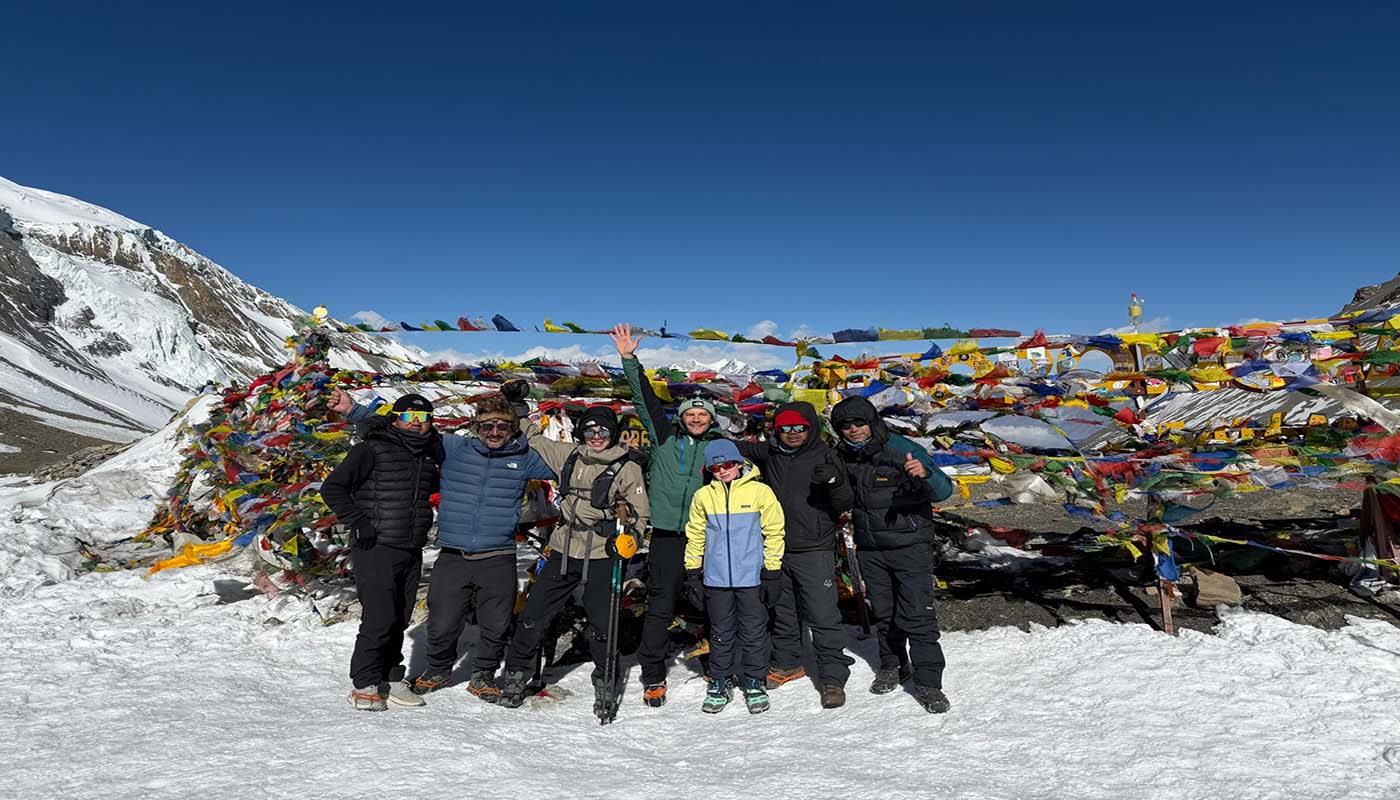
- Real conditions, not softened challenges: You walk the same hours as luxury trekkers and climb the same elevation. The trail doesn’t get easier. On the Annapurna Circuit, you’re still doing long climbs and crossing high passes like Thorong La.
- Professionally guided and fully supported: Just because it’s standard doesn’t mean you’re on your own. Our experienced guides know these routes inside out. They control the pace, monitor altitude, and ensure safety. “Standard” means simple lodges, not poor planning or weak support.
What Makes a Trek Luxury in the Himalayas

Here’s what things are included when you choose our luxury treks for the Himalayas:
- Thoughtfully curated accommodation for comfort at every step: Luxury trekking with us means your nights matter just as much as your days. You start and finish at friendly hotels such as the Marriott in Kathmandu and the Temple Tree Resort in Pokhara. Along the trail, you stay in the best lodges we can find. These places have spacious rooms with en-suites, heated beds, and actual comfort. After walking all day, that rest is real, not just a marketing line.
- Helicopter transfers that save time and reduce fatigue: Instead of sitting in a bumpy jeep for hours or stressing about delayed flights, we use helicopters to get you to the trailhead. They fly you into places like Chame on the Annapurna Circuit or Lukla in the Everest region. This isn’t about skipping the trek. It’s about starting fresh, so you have energy for the mountains.
- Genuine support with high staff-to-trekker ratios: Luxury trekking isn’t just about nicer beds, it’s about having people around who actually help. We provide you with a lead guide, assistant guides, and porters so you’re never alone on the trail. Your bags are correctly handled. When altitude becomes an issue, or you need to make a call about the route, an experienced person is right there. It makes the whole trek safer and way less stressful.
- Warm meals, hygiene, and practical comfort at altitude: When you’re up in remote mountains, basic comfort becomes a big deal. Highland Expeditions includes all your meals during the trek. You get boiled water and hot drinks too. We select lodges where you can count on warmth, cleanliness, and a good night’s rest, even above 4,000 meters. You’re not lying awake wondering whether dinner will be enough or whether the room will be freezing because everything of yours is covered.
- The real-world effort and reward of the Himalayan walking: Even the fanciest trek in Nepal still means real walking and real effort. Highland Expeditions doesn’t hide that. You’ll walk 6 to 8 hours most days through all kinds of terrain. You’ll have acclimatization days built in. You’ll deal with actual altitude. Luxury means better comfort and smoother logistics. It doesn’t mean the mountains go easy on you. And honestly, that’s what makes reaching Thorong La Pass or Everest Base Camp feel like something you actually earned.
One Trail, Two Different Experiences: How Trekking Style Changes the Same Route
Everest Base Camp and the Annapurna Circuit share the same trails, whether you choose standard or luxury, but the experience is very different.
On a standard trek with Highland Expeditions, you stay in traditional tea houses with shared bathrooms. In Kathmandu, it will be a 3-star hotel. It works if you prefer a simple setup and don’t mind chatting with other trekkers in the standard room.
On a luxury trek, you walk the same hours each day. What changes is how the day ends. You get picked lodges that are cleaner and warmer. The logistics run smoother, so the long treks don’t wear you down as much.
Standard treks involve cold nights and basic setups; the menu is whatever they have, and you don’t get much choice. Luxury treks allow you to focus more on your surroundings. The mountains, the villages, the people you meet. As you’re not dragging yourself to bed each night, you’ll recover better, so you actually enjoy the next day more.

Major Differences Between Standard and Luxury Treks in Nepal (Highland Expeditions Comparison)
| Category | Standard Trek | Luxury Trek |
|---|---|---|
| Accommodation Style | Nights are spent in well-maintained local teahouses that are simple, warm, and rooted in village life, along routes such as the Annapurna Circuit or EBC. | Stays include premium mountain lodges where available, paired with high-end hotels such as Kathmandu Marriott and luxury resorts in Pokhara for deeper rest and privacy. |
| Room Comfort and Privacy | Rooms are basic with twin beds and shared facilities, offering comfort but limited personal space at higher altitudes. | Rooms are more spacious and private, where possible, often with attached bathrooms at lower elevations and better sound and thermal insulation. |
Transportation to Trailheads | Access involves standard flights or long road journeys, such as driving to Besisahar or flying to Lukla on plane from Ramechap, as most trekkers do. | Helicopter transfers are used strategically to reduce travel fatigue, such as flying directly to Chame or returning from the Everest region by heli. |
Meals and Dining Experience | Meals are hearty, filling, and focused on local trekking staples that fuel long walking days. | Dining offers greater variety, better presentation, and higher consistency, especially at selected luxury lodges and city hotels. |
| Warmth and Heating | Heating is limited to dining areas in most teahouses, and rooms can be cold at night despite blankets. | Luxury lodges prioritise warmth through heated beds, better insulation, heated common areas, and higher-quality bedding to improve sleep. |
Guide and Support Ratio | Treks are professionally guided by experienced staff and typically accommodate slightly larger group sizes. | A higher staff-to-trekker ratio allows for more personalised guidance, closer monitoring, and smoother daily logistics. |
| Daily Logistics and Predictability | Plans follow a traditional trekking rhythm, with occasional flexibility required due to weather or lodge availability. | Logistics are tightly coordinated, providing greater predictability for accommodation, meals, and daily routines, even in remote regions. |
| Luggage and Physical Load | Porters carry main bags, but trekkers may manage more of their personal gear day-to-day. Baggage allowance could be limited | Gear handling is more hands-off, allowing trekkers to focus almost entirely on walking and enjoying the scenery. Baggage allowance is more |
Overall Trail Experience | The experience feels raw, authentic, and deeply connected to Himalayan village culture. | The experience blends adventure with refinement, balancing wilderness immersion with comfort at the end of each day. |
Physical Effort Required | Long walking days, altitude gain, and physical challenge are central to the journey. | The walking effort and altitude challenge remain real, but recovery is easier due to better sleep, meals, and logistics. Additionally, helicopter flights avoid return treks. |
Everest Base Camp in Focus: Choosing Between Standard and Luxury EBC Trek
Here’s how the classic Everest Base Camp trek compares with the luxury version. For a full side-by-side breakdown, see our standard vs luxury Everest Base Camp trek comparison.
Standard EBC Trek Basics
The standard Everest Base Camp trek begins with a flight from Kathmandu or Ramechhap to Lukla. From there, you follow the famous trail through Sherpa villages, rhododendron forests, and high ridges. You walk all day. The mountain views build as you go. That’s what makes it feel like a real adventure.
You stay in local teahouses and lodges that are clean and cozy. Dining areas are shared. Everyone eats together. The focus is on the trek itself and what the Himalayas actually feel like when you’re in them.
Luxury EBC Trek Extras
The Luxury Everest Base Camp Trek flies you straight into Lukla by helicopter from Kathmandu. No long drive to Ramechhap. You start with more energy. You stay at the Kathmandu Marriott before you go and sleep in the best lodges Highland Expeditions can book along the trail.
At the end, you fly back to Kathmandu by helicopter from Gorakshep instead of walking down. The whole trip is easier on your body and more comfortable.
Acclimatization and Pacing
Both itineraries include acclimatization days in Namche Bazaar and Dingboche. Your body needs time to adjust to altitude. You can also enjoy the views and learn about Sherpa culture while you rest.
The luxury trek is planned to ensure smoother logistics and faster recovery each night. That helps you stay fresh when you tackle the most challenging sections.


Standard and Luxury Annapurna Circuit Compared: When Comfort Changes a Long-Distance Trek
Here’s how the classic Annapurna Circuit compares with Highland Expeditions’ luxury version:
Standard Annapurna Circuit Trek Basics
The standard Annapurna Circuit follows the long classic loop around the Annapurna massif. You cross villages, river valleys, and high alpine passes. No extra frills. You stay in local teahouses where the rooms are basic but warm. Meals are cooked fresh each day.
This raw, village-to-village experience connects you with mountain life. You earn every moment of this trek.
Luxury Annapurna Circuit Trek
The Luxury Annapurna Circuit Trek takes the same iconic trail but adds comfort where it counts. You start with a helicopter transfer from Kathmandu to Chame. That saves you an 8-hour bumpy drive. Along the route, you stay in luxury lodges like Mountain Lodges of Nepal and boutique hotels. Before and after the trek, you sleep at the Marriott in Kathmandu and a 4-star lakeside resort in Pokhara. Good beds and good meals when you’re not on the mountain.
Mountain Comfort and High Passes
Standard lodges at high stops like Thorong Phedi are cozy considering where they are and how high up you’ve climbed. You get a clear sense of what the Himalayan challenge entails.
Luxury trekking gives you better rest before big days like crossing Thorong La Pass. They select higher-comfort lodges in advance. The schedule is designed to help you manage cold nights and long walks more easily.

Conclusion: How to Choose the Right Trek Without Regret
Choosing between a standard and a luxury trek in Nepal comes down to how you want your Himalayan journey to feel every single day. Both options take you through the same landscapes and the same villages. You end up at the same iconic places, but the rhythm of the experience is different based on comfort, recovery, and how smoothly things run.
Some trekkers find meaning in keeping things simple and living that shared trail life. Others value getting deeper rest and smoother transitions so they can stay present and actually enjoy each day more fully.
Whether you choose standard or luxury, Highland Expeditions ensures the experience is carefully structured and professionally guided. You’re dealing with real mountain conditions either way. Our job isn’t to push one style over the other. It’s designed to help you choose the version that fits your expectations, timeframe, and travel preferences.
When planning is done right, the Himalayas reward you regardless of the option you choose. That’s where the right choice truly matters.
Ready to pick your trek? Compare the full itineraries and prices for the Standard Everest Base Camp Trek, the Luxury Everest Base Camp Trek, the Annapurna Circuit Trek and the Luxury Annapurna Circuit Trek, or contact our Kathmandu team for help choosing.

Frequently Asked Questions (FAQs)
Is luxury trekking worth it if I am physically fit?
Just because you’re fit doesn’t mean luxury isn’t worth it. Many experienced trekkers choose luxury options with Highland Expeditions.
Here’s why: being fit helps you walk, but comfort enables you to recover. When you sleep in a warmer room and eat regular meals, your body recovers more quickly. You wake up feeling good. That means you actually enjoy each day more, rather than just pushing through being tired.
Can I switch from standard to luxury mid-trek?
Switching halfway through is pretty tough. The good lodges up high fill up fast, so there’s usually no room. However, our team can adjust if you plan in advance. You could do luxury nights in Kathmandu or Pokhara, then standard on the trail. We also let our trekkers finish with a helicopter ride back instead of walking down.
Does luxury trekking reduce altitude risk?
No, luxury won’t protect you from altitude sickness. The altitude affects everyone the same way, but it does help you handle it better. At Highland Expeditions, we plan luxury trips with smarter rest days and slower climbs. You also sleep better when you’re warm and well-fed, which gives your body a better chance to adjust.
Are luxury treks suitable for solo travelers?
Yes, they work great for solo trekkers. We usually keep luxury groups small or make them private trips, so if you’re travelling alone and want privacy and good service, luxury makes sense.
How does weather disruption affect standard vs luxury itineraries?
Flights to Lukla are often cancelled, regardless of the trek you booked. The difference is that luxury trips with Highland Expeditions usually have better backup options. For luxury itineraries, we secure priority flight seats or have helicopter alternatives ready if the weather clears.
Will I still meet other trekkers on a luxury trek?
Of course. You’re walking the same paths as everyone else. You’ll see plenty of other trekkers at viewpoints, in villages, and along the way. The only difference is where you sleep at night: on a luxury trek, you stay in nicer lodges, while most remain in basic teahouses. You will also meet other trekkers at the luxury lodges
Are porters treated differently in standard and luxury treks?
No, we treat our porters the same way on every trek. With us, they get fair pay, proper gear, insurance, and they never carry too much. That doesn’t change whether you’re doing standard or luxury.
How does Highland Expeditions personalize recommendations?
At Highland Expeditions, we consider your trekking experience, comfort expectations, timeframe, and travel style before recommending a trek. Instead of pushing a package, we help you select standard or luxury treks in Nepal that best fit how you want to experience the Himalayas.

